aletheic environments

biophilic environments that awaken your senses

Category: Biophilia and biophilic design

  • Wellness rooms in the workplace: they don’t always work, but they could

    Wellness rooms in the workplace: they don’t always work, but they could

    Modern office buildings often feature wellness rooms intended for employees to decompress, yet these spaces are frequently underutilised due to poor design, discomfort, and stigma. Effective wellness rooms require thoughtful sensory considerations, including privacy, space, lighting, and decor, fostering a culture of wellbeing rather than mere compliance.

    Note: This post also explores the psychological and wellbeing benefits of naturism within biophilic environments. It contains illustrations depicting nudity and the human form.

    Ticking a box, or doing some good?

    Many modern office buildings incorporate ‘wellness’ rooms – places where office workers can go and decompress for a little while if stressed, overwhelmed or just in need of a few minutes of freedom from an annoying colleague or frustrating boss.

    These spaces are often quite small, sited away from the main office space and often never used. They allow HR departments to claim that they take employee wellbeing seriously and might even result in a tick in box on wellbeing rating checklist or a favourable comment on Glassdoor, LinkedIn or a job board.

    There are many reasons why they are hardly ever used.

    • They can be hard to find
    • They might be uncomfortable or poorly designed
    • They might double up as places for prayer, which might make some people worry about breaking a taboo by using them for other purposes, or worry about when the room might not be available
    • Their use might carry a stigma.

    It is the last point that really needs addressing

    If someone is absent from their desk and their manager asks where they are, going to the wellness room can be seen as sign of weakness.

    Or laziness.

    When wellness rooms are nicknamed ‘Crying Rooms’, which I have come across, then it is clear that there is something wrong with the culture of the organization. When the privacy of a wellness room actually makes you more noticeable – because you are not where you are expected to be – then it isn’t really a private space.

    So, what is the solution?

    The most obvious solution is to ensure that the workplace is civilized to begin with. This means creating a corporate culture based on great leadership, trust and autonomy. Good corporate culture has the single biggest influence on psychological comfort and wellbeing.

    However, even in organizations with a great culture, there may be situations when one might need to retreat to a space like a wellness room to decompress, recover from overwhelm, physically relax or to meditate for a few minutes.

    So, how can we ensure that such spaces actually foster wellbeing rather than just pay lip service to the concept?

    It’s all about the senses

    I have written before that biophilia is not just an airy-fairy concept, but is rooted in our evolutionary history. When we have a coherent sensory experience, we feel physically and psychologically more comfortable.

    A wellness room needs to be able to satisfy as many, or as few, sensory needs as the user desires. These include:

    Privacy

    Your use of a wellness room should be absolutely private (with some caveats: for some people, the sound of a heavy door closing and locking can evoke memories of trauma).

    You should not have to advertise your use of a space like this, whether by booking a time slot, seeking permission from a manager or even walking past a group of colleagues sitting near its location.

    Furthermore, it must be completely enclosed and prevent any views in from inside the building. Solid doors and walls are essential, and the only windows should be to the outside world. Any windows to the outside should be clear. Some views can be relaxing and being able to focus on distant objects might relieve eye strain as well, but they must be capable of being obscured to prevent the user being seen if that is what is wanted.

    Light, translucent materials, such as voile curtains would allow light in, whilst maintaining privacy. Their graceful, floaty form also provides some textural and visual interest.

    An a.i.-generated image of a possible ideal wellness room, featuring muted colours, natural materials, plants, appropriate furnishings, a moss panel on one wall, a textured rug made of natural fibres and a window partially obscured with a voile curtain.  There is diffuse lighting and a ceiling fan with wooden blades

    Space

    Wellness rooms are often small. They may have been converted from spaces such as small meeting rooms, a small private office or even a storeroom. This is understandable – floorspace can be very expensive, and must be productive. However, happy, healthy workers perform better and are likely to have greater job satisfaction. This means an investment in proper wellness rooms can make sense.

    The space needs to be large enough to allow activities such as light exercise (such as yoga or other low impact activities), and also not be claustrophobic. The idea is to allow relaxation and decompression.

    Some people may wish to lie down, so a clear floor area would be a good idea. There also needs to be space for a comfortable chair, or even a small sofa and maybe some other small items of furniture to give the room a lived-in feel.

    Ceiling height should also be considered. Too low and you risk feeling cramped, or might not be able to stretch upwards. Too high, and it might lose the feeling of intimacy and cosiness that some might be seeking.

    A wellness room with a floor area of approximately 3m X 4m would provide enough space to carry out light exercise, such as stretches or yoga, without being so big that it would compromise the feeling of shelter and cosiness.

    Lighting

    Light should be indirect and controllable – in terms of both brightness and quality. Lighting that includes far red / near infrared wavelengths are thought to have therapeutic benefits, and slightly warmer tones can be calming.

    Placing luminaires so that they wash the walls and ceiling with light, rather than having a point source, will be more relaxing. The use of artificial skylights could also be considered.

    Decorative lighting might also be considered. Whilst real flames would not be appropriate, simulated flames from LED candles, for example, can provide some non-rhythmic visual interest. Similarly, the placement of objects and foliage in front of light sources might cast some interesting shadows.

    Sounds

    Noise from outside should be prevented as far as is practicable, and noise generated from within the wellness room should not be audible outside. This has as much to do with privacy as annoyance and distractions.

    Features such as soft furnishings, moss panels and even foliage plants can be effective at reducing noise levels.

    Sounds can be added to the space. They can be used creatively to mask outside noises or even simulate natural sounds such as water, wind in the trees or birdsong. There are many synthetic biophilic sounds available to play through a smart speaker or even download onto a smart phone. One of my favourites is Noises Online, which has 30 individual sounds that can be combined.

    Screenshot of the Noises Online web site showing three sounds combined

    Smells

    Ambient scenting systems are ideal to create subtle scent experiences. These are programmable and have a wide range of fragrances are available. However, care must be taken to ensure that the intensity of the scent is low – especially if the room is not used often and there are few air changes.

    Reed diffusers are a cut-price way of filling a space with scent, but if the room is infrequently used, then the effect may be too intense, and cannot be ‘switched off’.

    Neutral naturalistic fragrances are ideal. Bear in mind that some people are more sensitive to scents than others, so it must be possible to have a scent-free environment if possible.

    Temperature control

    This is likely to be quite difficult to manage – it depends on how the building’s environmental controls are operated and whether room-level control is possible. Radiant heat from underfloor heating is likely to be very comfortable for users of a wellness room – far better than warm air being blown around the space, which may result in uncomfortable draughts.

    Having said that, sometimes gentle airflow, which mimics natural environments, can bring another non-rhythmic element into the space. A ceiling fan – which is controllable by the user – would be sensible addition to the space.

    Textures

    Textures offer both visible and tactile interest. A textured rug, made from fibres such as sisal or jute, can stimulate the touch sensors in bare feet, and features such as a moss panel, tree bark or even a small soapstone ornament can feel good in the hands. Having some tactile ornaments to handle, as well as surfaces, to touch can be very enriching.

    Furniture and accessories

    A wellness room should not be cluttered, and floor space should be kept clear, but it must feel like home. Well chosen furniture and accessories might include:

    • A sofa or couch, possibly in a chaise longue style, to enable the user to sit or lie down
    • A small table, where the user can place a drink. This could also be where some LED candles could be placed
    • A large, soft, textured rug in the centre of the floor. Natural fibres, such as jute or sisal look very naturalistic and also have a nice texture
    • Shelves or a wall-mounted cabinet where ornaments or books can be placed. This can also be where items such as towels or exercise mats can be stored or where bottled water can be kept
    • Somewhere to hang clothes, place shoes and store bags out of the way
    A close-up photograph (by the author) of preserved mosses and lichens mounted in a panel attached to a wall

    The nature connection

    A selection of well-chosen interior plants would be essential. Plants that tolerate low light levels and intermittent lighting would be ideal. They should have a variety of forms, textures and shades of green.

    A panel of preserved moss on one wall would also be ideal. These require little maintenance and have excellent acoustic and tactile benefits.

    Indoor greenery, in all its forms, is my particular area of expertise, so get in touch for advice on this and for recommendations for a detailed specification and maintenance plan.

    Opportunities for full sensory immersion

    For many people, being able to immerse the whole body in the environment is very relaxing and encourages mindfulness. Some people enjoy taking gentle exercise, such as yoga, when nude. Meditation when you are free from the distractions of clothing can be very restorative.

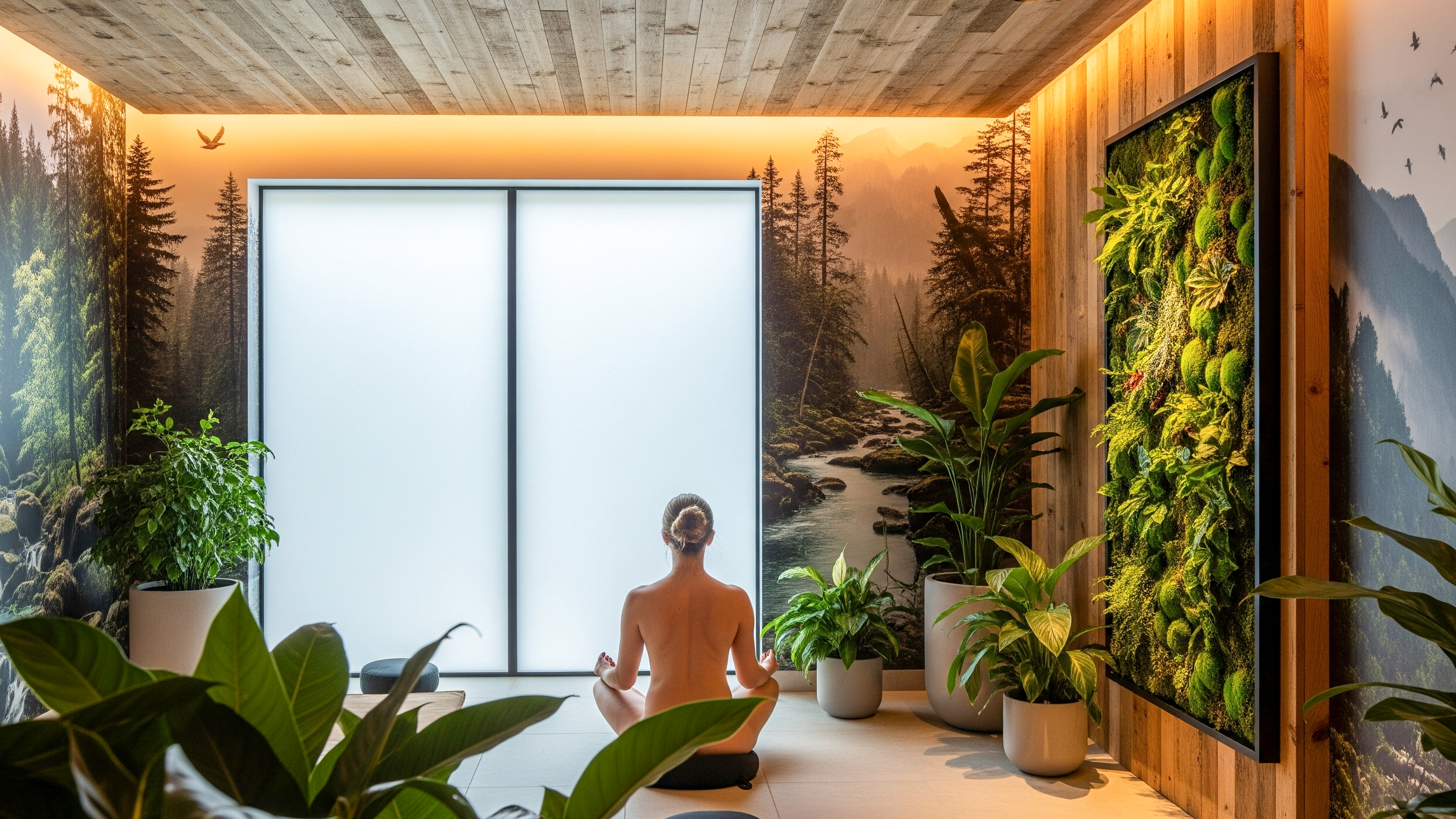
    ai-generated image of an apparently nude person doing yoga, viewed from behind

    Some people simply enjoy nudity and being free from feeling tight or uncomfortable clothing or just want to help regulate their temperature. When the skin is exposed and bare feet can touch the floor, then our senses send coherent messages to our brain, and our largest sense organ is the skin.

    Facilitating nudity in a wellness room, as well as gentle exercise, means providing somewhere to hang clothes as well as providing items such as towels (which every naturist knows is an essential), or ensuring that users of the room know that they should bring their own.

    … and how to reduce sensory overload

    For some people, especially some autistic people, sensory overload can be debilitating. The ability to access and make use of a quiet, calm, low-stimulus environment can be very helpful

    This means that control of the environment is essential. Being able to switch certain features on or off, or being able to do particular activities to suit individual needs is very important.

    Provision for neurodiversity

    The recently published design guidance: PAS 6463:2022 Design for the mind – Neurodiversity and the built environment provides excellent information for designers on how to create spaces that are accessible for individuals who may not be neurotypical.

    Image of the cover page of PAS 6463: 2022 Guidance book called "Design for the mind - Neurodiversity and Built Environment"

    Chapter 14: Safety, recovery and quiet spaces of the guide is especially relevant in the context of this article as it directly addresses the sensory environment.

    The key takeaway is to give the user of the space as much control over it as possible, but where that is not possible, to design with hypersensitivity in mind – where spaces are as calming and quiet. It says…

    Where only one quiet and restorative space or room is provided, it should be designed as a flexible environment with a variety of design options that are customizable to the individual’s sensory needs.

    Each design aspect should have both low and high stimuli options to accommodate both hypersensitive and hyposensitive needs. In mainstream environments where only one space is provided, it should be designed as a low stimuli quiet space with higher stimuli optional additions by choice.

    If multiple spaces are available, several spaces of various levels of stimuli should be taken into account.

    When creating sensory or quiet spaces, the context of how the spaces are designed and the potential needs of the users should influence the design choices. If a facility is highly stimulating and busy, more than one space should be provided – quantity, quality and location should be taken into account.

    Would you like help in designing an effective wellness room? Get in touch here

    ← Back

    Thank you for your response. ✨

    Thank you for getting in touch. If you have requested a reply, I’ll get back to you as soon as I can

  • The biophilic beauty of flames

    The biophilic beauty of flames

    Urban dwellers often cannot have real fires due to regulations and modern housing designs. Despite their inefficiency and dangers, flames evoke a primal allure, contributing to biophilic design by providing non-rhythmic sensory stimulation that enhances comfort and reduces stress.

    One of the most popular videos on Netflix last winter was of an open fire. Logs alight with bright flames dancing and the sound of the wood crackling and popping as the wood burns. Similar videos can be found on You Tube and many other platforms, and they gain millions of views.

    For many people, especially those living in urban settings, live fires aren’t possible. Smoke control regulations for good air quality makes lighting a fire unlawful in many circumstances (and can exacerbate poor air quality, especially in the winter). More modern homes, as well as flats and other high-density housing won’t have fire places, so a even if a real fire was desirable, it isn’t going to be possible.

    Modern heating systems are much better at distributing warmth around the home, and are probably a lot cheaper than buying in a load of seasoned logs, so flames seem rather redundant.

    Yet, we humans seem to have a primeval urge to be drawn to flames. It could be videos, or even the flame effects that you can find on electric fires, or our desire to light candles (or even switch on LED flames in fake candles) to create an atmosphere when a light bulb is far more efficient.

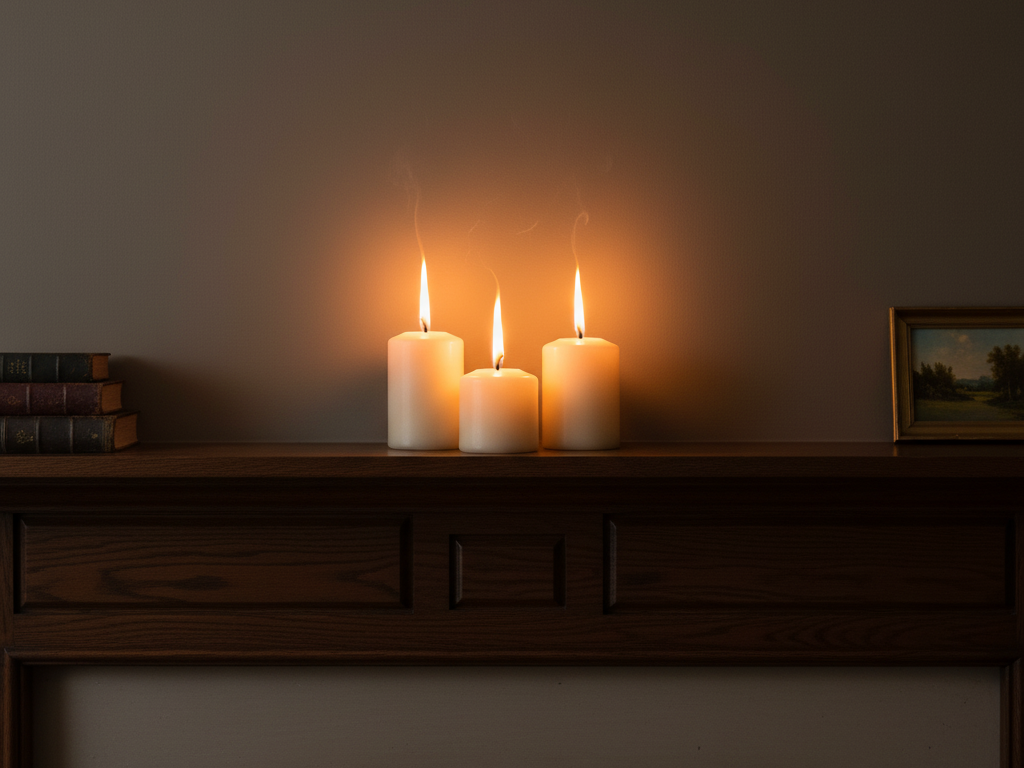
    A picture of lighted candles
    Photo by Matej Novosad on Pexels.com

    Objectively, flames in the home are a terrible idea. They are polluting, inefficient, labour-intensive and can be expensive. If left unattended, they can also be dangerous. A radiator and a light bulb are much easier to live with. So why do we like flames?

    Biophilic design is used to make us feel comfortable in the artificial environments of our modern, unnatural homes and workplaces. Reconnecting ourselves with the sensory stimuli that enabled our species to survive in our wild, natural environment means that we can reduce stress and live happier, healthier and more productive lives. One of the elements of biophilic design that is often left out of our buildings is non-rhythmic sensory stimulation.

    Non-rhythmic sensory stimulation can manifest itself in many ways, such as:

    • the sound of water in streams or rainfall,
    • birdsong,
    • the dynamic use of shadows that move across a space over the period of a day,
    • the feeling of a refreshing breeze on the skin or
    • the pleasure of a warm shower to relax under, rather than just for the utility of hygiene.

    It can also be found in the movements of flames, the curling of smoke and the irregular popping and crackling of wood – it can be a mesmerising and relaxing experience.

    Used safely, flames add more than just light and heat – they create an atmosphere of cosy security.

  • The sounds of falling water and the movement of shadows

    The sounds of falling water and the movement of shadows

    This article discusses how incorporating non-rhythmic sensory experiences, like water sounds and flickering flames, into built environments enhances well-being, productivity, and emotional health. These unpredictable stimuli promote relaxation, reduce stress, and improve cognitive function. Implementing natural elements and dynamic technologies can create immersive experiences that foster a stronger connection to nature in indoor spaces.

    The benefits of incorporating non-rhythmic sensory experiences into the built environment

    fast-running water cascading over rocks. Picture by the author
    Fast running water cascading over rocks. Picture by the author

    Biophilic design has gained significant traction over the last decade or so as a way to support well-being, improve quality of life in built environments and even improve productivity. For some designers – especially people in my own industry of interior landscaping – this starts and finishes with plants. However, there is much more to it than just greenery.

    I have written before about the need to stimulate all of our senses to be truly biophilic. One way to achieve this is by incorporating non-rhythmic sensory stimuli. These include elements such as the sound of running water, the sight of flickering flames, rustling leaves, or the sensation of a gentle breeze. Ambient scenting may also be considered a non-rhythmic sensory stimulus, although this is a much more complicated issue and worthy of a separate article.

    The incorporation of non-rhythmic sensory experiences into the built environment can offer additional ways to enhance well-being, productivity, and overall quality of life by making the biophilic experience more rounded. This is one of the 14+ patterns of biophilic design recognised in the iconic report by Terrapin Bright Green (which has been recently updated in its 10th anniversary edition, and which is very much worth a read).

    Image of the cover of Terrapin Bright Green report: 14 patterns of biophilic design - 10th anniversary edition

    The science behind non-rhythmic sensory stimuli

    Non-rhythmic sensory stimuli are characterized by their variability and unpredictability, which is in contrast to the often monotonous and repetitive patterns found in the artificial settings of the built environment. These stimuli are common in natural settings. Research suggests that such patterns engage our senses in a way that promotes relaxation, reduces stress and may even enhance our cognitive abilities.

    One study Joye et al. (2013) suggested that non-visual sensory stimuli, such as the sound of water or wind, can significantly reduce stress and improve mood. The study found that these stimuli activate the parasympathetic nervous system, which is responsible for the body’s “rest and digest” response. It has been suggested that this could counteract the effects of chronic stress. Similarly, the visual unpredictability of natural elements, such as the movement of flames or shifting shadows as the sun shines through vegetation blowing in the breeze, might capture attention in a non-intrusive way, fostering a sense of calm.

    photo of hollow blocks wall
    Photo by Tim Mossholder on Pexels.com

    Psychological and emotional benefits

    One of the most significant benefits of non-rhythmic sensory experiences is their ability to reduce stress and anxiety. In a world dominated by structured routines and artificial environments, the introduction of natural, irregular patterns can provide some form of mental escape back to nature. For instance, the sound of running water, whether from a fountain, an indoor waterfall or even from an electronic soundscaping system has been shown to reduce stress, as measured by skin conductance (Alvarsson et al., 2010), something that could be valuable in high-stress environments such as some offices, hospitals, and schools.

    Moreover, non-rhythmic stimuli can evoke positive emotional responses. The sight of dancing flames in a fireplace or the gentle movement of curtains in a breeze can create a sense of warmth, comfort, and nostalgia. These experiences tap into our evolutionary connection to nature, fostering feelings of safety and well-being. Over 30 years ago, Roger Ulrich (1993) wrote that exposure to natural elements can elicit positive emotions and reduce feelings of anger, fear, and sadness, which are often exacerbated by sterile, artificial environments.

    Cognitive and productivity benefits

    Incorporating non-rhythmic sensory experiences into indoor spaces can also enhance cognitive performance and productivity. Research by Kaplan and Kaplan (1989) on Attention Restoration Theory (ART) suggests that natural environments, with their innate variability, provide a restorative effect on mental fatigue. Non-rhythmic stimuli, such as the sound of a breeze or the sight of moving water, can serve as “soft fascinations” that allow the brain to recover from the demands of focused attention.

    In the workplace, it has been suggested that the introduction of non-rhythmic elements might be linked to improved concentration, creativity, and problem-solving abilities. Anecdotal reports suggest that people working in environments with natural sounds, such as flowing water or bird songs, experienced higher levels of satisfaction and productivity compared to those in traditional office settings.

    Similarly, the use of dynamic lighting systems that mimic the shifting patterns of natural light can help regulate circadian rhythms, improving alertness and reducing fatigue. Research carried out at the BRE and presented at the Wellness and Biophilia Symposium in 2019 showed a relationship (in some scales) between dynamic lighting and improved self-reported wellbeing.

    Practical applications in the built environment

    The use of non-rhythmic sensory experiences into indoor spaces is now being incorporated in some workplaces, and can be achieved through a variety of design strategies. Water features, such as indoor fountains or aquariums, can provide both auditory and visual stimulation. . Similarly, the use of natural materials, such as moss, foliage, wood and stone, can enhance tactile experiences and evoke a sense of warmth and authenticity.

    An indoor water feature in an airport providing irregular sounds of falling water
    An indoor water feature in an airport

    In addition to these physical elements, technology can play a role in bringing non-rhythmic experiences indoors. For example, dynamic lighting systems that mimic the changing patterns of natural light can stimulate the brain not unlike being outdoors throughout the day and soundscapes that replicate natural environments, such as forests or beaches, can be used to create a calming atmosphere in offices, schools, and healthcare facilities.

    Virtual reality systems that simulate natural settings can also provide immersive sensory experiences, particularly in environments where access to nature is limited. I once visited a place where there were no windows in one part of the building, so screens were set up linked to cameras mounted on the external walls so the view from outside could be brought in.

    I can help you with your biophilic designs

    If you are a designer or are planning some biophilic interventions in your building and would like some advice on how to incorporate non-rhythmic stimuli, please get in touch. I know lots about plants, a fair bit about water and scenting and I can put you in touch with plenty of people that are experts in some of the other patterns.

    This article first appeared on my Purposeful Places web site in 2025.

    Contact me

    ← Back

    Thank you for your response. ✨

  • Light for health

    Light for health

    I recently attended the Biophilic Design Conference in London, where Ulysse Dormoy discussed the health impacts of modern office lighting, emphasizing the need for full-spectrum lighting in built environments.

    This post also explores the benefits of total immersion in better light and explains possible additional wellbeing benefits of naked forest bathing and naturism. This post includes illustrations depicting nudity and the human form.

    Is modern office lighting as good as it could be?

    On 17th November 2025, I was lucky enough to attend the second International Biophilic Design Conference in London.

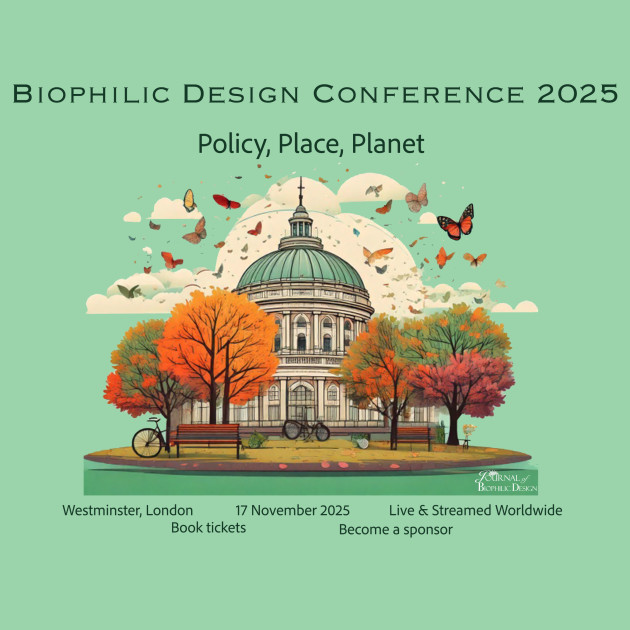
    Biophilic Design Conference 2025 logo

    There were several really interesting presentations about the benefits of reconnecting with nature, and one of the really interesting talks was about office lighting. It was given by Ulysse Dormoy, an expert in the subject.

    Ulysse Dormoy’s presentation spoke mainly about the role of far red (FR) and near infrared (NIR) wavelengths and their impact on human health. These wavelengths are just beyond the visible spectrum, and are essential for human health. This energy penetrates soft tissue and drives the reactions that take take place in mitochondria – organelles in every living cell (plants as well as animals) that power life.

    We need light for more than just vision

    The modern built environment – especially office buildings – relies on highly efficient LED lighting to illuminate our spaces. Modern, energy-efficient LEDs used in offices are often optimized to peak in the blue spectrum and a narrow band of red (which is difficult to achieve in LEDs without losing efficiency). This is fine for vision.

    However, LED lights used in workplaces are frequently almost devoid of the NIR and Far-red components prevalent in both sunlight and older light sources. Couple this with the treatments applied to glazing to minimize excess heat getting into buildings from sunlight, then we have a problem that might affect human health.

    For humans, the absence of NIR means the loss of a key input for mitochondrial health, called photobiomodulation (PBM). This leads to impaired cellular energy management that may be linked to accelerated ageing and a reduced healthy lifespan.

    The presentation highlighted the disconnect between the necessary natural light spectrum and the light provided by the modern built environment. Considering humans spend approximately 90% of their time indoors, the quality of artificial light becomes a major concern for cellular health and ageing.

    Modern lighting schemes may not be as optimized for wellbeing and health as you might expect. There are two issues:

    Lack of infrared light (NIR/Far-red)

    Older incandescent sources naturally emitted a high proportion of Near-Infrared (NIR) and Infrared (IR) energy. Modern, highly efficient light sources, particularly LEDs, are spectrally deficient in these wavelengths. They are not needed for vision, so why expend energy producing them?

    However, the absence of this infrared light is now thought to be a significant health hazard, as these wavelengths are vital for photobiomodulation (PBM) and maintaining mitochondrial function.

    Loss of appropriate diurnal variation

    The natural environment provides a continuous, dynamic shift in the ratio of blue to red light across a 24-hour cycle. As the sun tracks across the sky, the spectral quality of daylight changes. More red light at the ends of the day, more blue when the sun is high in the sky. The disruption of this diurnal variation in the built environment affects the body’s circadian rhythm and the corresponding cellular processes it governs.

    The energy-efficient modern LEDs used in offices are often optimized to peak in the blue spectrum and a narrow band of red, while being nearly devoid of the NIR and Far-red components prevalent in both sunlight and older light sources. It is midday all day.

    What does this mean?

    For humans, the absence of NIR means the loss of a key input for mitochondrial PBM, leading to impaired cellular energy management that seems to be linked to accelerated ageing and reduced healthy lifespan. The core message is that human biology relies on a full-spectrum signal that is largely absent in the current built environment lighting design.

    Near-Infrared (NIR) light, a key component of the Photobiomodulation (PBM) effect, must be absorbed through all accessible tissues of the body, not just the eyes, to exert its systemic effects on mitochondrial health.

    The mechanism of PBM, which involves the absorption of photons by the mitochondrial enzyme Cytochrome c Oxidase (CCO), relies on light penetrating the skin and subcutaneous tissues to reach the underlying cells.

    The long wavelengths of NIR (typically 700 nm to 1100 nm), are specifically beneficial because they penetrate deeper than visible light.

    Unlike blue or green light, which is largely scattered or absorbed in the top few millimetres of the epidermis and dermis, NIR light can penetrate several millimetres, and in some cases, several centimetres (at high power densities) through biological tissue.

    Studies indicate that for musculoskeletal treatments, more than 90% of the light energy is typically absorbed within the first 10 millimetres of soft tissue. However, depending on the wavelength (e.g., 810 nm) and power, measurable amounts of light can reach depths of several centimetres, allowing photons to interact with mitochondria in muscle, bone, and even the brain through the skull.

    Recent research has suggested that long wavelengths of light, delivered to the body (e.g., the back), can also improve retinal function without direct eye exposure, implying a whole-body route for mitochondrial health benefits.

    The benefits of uncovering

    Unlike visible light, which is perceived by the eye, Near Infrared / Far red (NIR/FR) light affects the body through direct tissue penetration. Therefore, to maximize the systemic benefits of Near-Infrared (NIR) light on mitochondrial health, full-body exposure is beneficial, aligning perfectly with the principles of naked wellness.

    By removing clothing, the maximum possible surface area of the skin is available to absorb the essential NIR and FR wavelengths from the environment (whether from natural sunlight or from spectrally complete indoor lighting systems). This maximizes the photon density reaching the underlying cells and, consequently, maximizes the activation of Cytochrome c Oxidase and the resulting boost in ATP production across the whole body.

    This connection provides a compelling, evidence-based argument for integrating naturism into the design of truly restorative, biophilic, aletheic environments, turning the practice into an act of maximizing cellular health and biological efficiency.

    An additional benefit of forest bathing

    I’ve discussed forest bathing before, and the main impact – apart from the psychological connection with nature – seems to be related to phytoncides, the volatile chemicals emitted by plants.

    However, there is another factor that may help with the wellbeing effects of the practice.

    Direct sunlight is natural, unfiltered light, which is rich in red light. This is not only good for the human body, but provides the energy needed for plants to photosynthesize.

    Chlorophyll – the green pigment found in plants – strongly absorbs the red wavelengths (used for photosynthesis) but transmits or reflects the Far-Red wavelengths (which are less useful for energy fixation, but good for mitochondrial health in animals, such as humans). This skews the light spectrum toward Far red in the shade of a forest canopy.

    an ai-generated image of a naked person sitting on a log in shady woodland experiencing the benefits of naked forest bathing and exposure to beneficial light wavelengths radiated from the vegetation

    Furthermore, as far red and NIR light penetrates shade, the benefits of exposure to this light can be achieved in an environment where sunburn risks are reduced by the shade of the woodland canopy. Naked forest bathing is not only good for reconnecting with the majesty of nature, but also a very effective way to maximize the amount of beneficial far-red light absorbed by the body.

    What about the built environment?

    Biodynamic lighting, which incorporates more red and far-red wavelengths are available. Such systems can be programmed to mimic the diurnal cycle of light quality. They are more expensive than standard lights, but could be used in places such as wellness rooms, found in many office buildings. They could also be used in the home.

    ai-generated image of a possible 'light shower' installation featuring a nude woman standing, bathed in warm light

    Spas and health clubs could create ‘light showers’ – spaces where the body to could be immersed in full-spectrum biodynamic lighting. Imagine a space that you could sit, stand or walk through that provides real benefits to bodily health rather than tanning booths that can be risky if used too much.

    Whilst exposure to NIR won’t give you a tan, it might bring real health benefits.

  • Biophilic designers often forget our largest sense organ

    Biophilic designers often forget our largest sense organ

    Biophilic design aims to reconnect humans with nature, countering urban stress. However, clothing creates barriers that hinder sensory interaction with the environment, resulting in sensory dissonance. Designing Aletheic Spaces can foster deeper connections to nature, emphasizing authenticity and sensory engagement for overall well-being.

    Note: This post explores the psychological and wellbeing benefits of naturism within biophilic environments. It contains illustrations depicting nudity and the human form.

    Pushing the envelope of biophilic design

    The architecture and design world is obsessed with biophilic design. It is a multi-million-pound architectural principle that acknowledges our innate, evolutionary need for nature.

    Organizations frequently strive to get a ‘Well Building’ certification by adding elements of biophilic design to the built environment. These are powerful interventions, and can make buildings less uncomfortable by creating a more coherent sensory experience. However, the pervasive sense of urban stress suggests this is only a partial antidote.

    Biophilic design is supposed to improve wellbeing in the built environment. Its aim is to soothe our anxious, urban minds. However, our deepest connection to the natural world is still blocked by a simple, social barrier.

    Skin: our largest sense organ

    One way in which I believe we are failing to achieve true sensory coherence is because we are ignoring a fundamental sensory organ of human connection: the skin.

    Biophilic design tries to re-establish harmony, but clothing acts as a permanent, often unnecessary, barrier. It insulates us, muffling the vital signals of the environment – the exact feel of the air as it moves, the subtle shift in temperature as the sun ducks behind a cloud and the gradual changes in humidity that affect whether (and how much) we perspire.

    Our brain cannot relax into nature whilst it is making an effort to understand it, and that is because we are dulling our senses.

    ai-generated image of a woman's face wearing spectacles that have been smeared with Vaseline. This is a metaphor for dulling our senses and is an analogy for the effect of clothing on the skin.

    Clothing covering the skin is like smearing Vaseline on your spectacles

    Our bodies evolved naked on the open savannah, where all of our senses worked in harmony. The vista of the landscape, the rustle of the wind, and the feeling of warmth or coolness on our skin all delivered a single, coherent message to the brain: you are safe.

    ai-generated image showing three naked people on a hillside overlooking a savannah landscape illustrating our evolutionary history where all of our sense organs were able to tell a coherent story about our environment

    But in the built environment of today – with its hard surfaces, artificial climates, and constant noise – our senses are in a perpetual state of low-grade conflict, or sensory dissonance.

    The natural conclusion to biophilic living, and the simplest way to achieve total sensory immersion, is to engage with nature as we evolved: unclothed.

    The interior life of the body

    The practice of naturism is not about challenging social mores; it is about hacking into a deeper pathway to wellbeing.

    In a hyper-visual, social-media saturated culture, we are trained to treat our bodies as objects to be judged, groomed, and displayed. This constant self-objectification is mentally exhausting and fuels anxiety. It separates us from our physical selves, turning the body into a source of stress rather than a reliable instrument.

    Nudity directly confronts this by shifting our focus inwards.
    When you are fully exposed to the elements, your body’s self-regulation mechanisms become immediately apparent. You become acutely aware of your goosebumps, the tingle of a breeze, the hairs on your arms standing upright or the warmth spreading across your back.

    A photograph of naked skin showing the lower back and top of the buttocks. This illustrates a large part of our largest sense organ that is normally covered in the built environment.

    Naturism significantly enhances Interoceptive Awareness (IA) – the ability to accurately sense and interpret signals from within the body, such as one’s heartbeat, tension, or gut feelings. There are multiple studies that support this.

    Interoceptive Awareness

    Research has shown that individuals who regularly engage in naturism have higher Interoceptive Awareness. This matters profoundly because high Interoceptive Awareness seems to be negatively correlated with self-objectification. When you learn to trust your body’s internal signals, you stop seeing it as an external image and start seeing it as a competent, reliable system.

    This is the psychological leap: the body moves from being a passively viewed object (even from its owner’s perspective) to an actively trusted subject, creating an embodied earth kinship that is profoundly grounding. Naturism is a simple, non-consumerist way of combatting the pervasive body image anxiety plaguing much of the Western world.

    Designing for unconcealedness

    If this is the most direct route to genuine human-nature connection, how do we translate it into the built environment?

    We must begin designing for authenticity. We need to move past the idea of biophilic design as merely a way to increase productivity and start seeing it as a genuinely useful tool for wellbeing.

    This means creating an Aletheic Space, a concept drawn from the Greek word meaning ‘unconcealedness’ or ‘truth’. An Aletheic Space is an environment – natural or constructed – that offers safety and privacy. It allows the occupant to experience the profound vulnerability – and subsequent liberation – of being totally uncovered and authentic.

    This is not a space for public display, but a deeply private retreat.

    For an architect or an interior designer, it demands a focus on:

    Boundary management

    Eliminating any sightlines or sound leaks that might trigger social anxiety, whilst still allowing a complete exposure to, an immersion in, the environment. This could, and should, include the use of plants to create natural barriers that allow light and breezes to penetrate into the space.

    Sensory richness

    Using materials (stone, rough timber, natural fibre, moss, bark, cork, etc.) that provide varied, non-jarring tactile feedback to the skin.

    Microclimates

    Designing sheltered courtyards or enclosed garden rooms that allow for comfortable, full-body exposure to air, light, and subtle temperature shifts, even if the weather is against us.

    an ai-generated image of a potential aletheic space where connection with nature is combined with safety and privacy. The image depicts a room with biophilic elements (plants and natural materials) opening out, through full-height windows, onto a sheltered outdoor space with plants, trees, a small pool and a patio area

    The ultimate aim of biophilic design is human flourishing.

    We are adept at creating visual connections, but until we design environments that invite our largest organ into the conversation, we will only ever be scratching the surface of our restorative potential. It is time for us to stop hiding from nature, and perhaps, stop hiding from ourselves.

    If you would like to discuss how to make biophilic design truly immersive or would like some ideas about the practical ways to create aletheic spaces, please get in touch.

    ← Back

    Thank you for your response. ✨

  • Safe vulnerability

    Safe vulnerability

    In this article I explore the idea of aletheia, or truth revealing, through vulnerability in nature. It emphasizes the liberating yet challenging experience of being completely exposed to, and immersed in nature whilst also being safe. Suggestions on how to foster this connection at home are offered as well as ideas about wild swimming and accessing and creating secluded areas for contemplation.

    Note: This post explores the psychological and wellbeing benefits of naturism within biophilic environments. It contains illustrations depicting nudity and the human form.

    Be a part of nature, not just an observer of it

    The concept of aletheia is all about the process of unconcealment in order to realise a truth about ourselves and our place in the environment.

    By baring all and removing that which separates us from nature we can then truly become part of nature. It is both liberating and challenging to be so exposed. Liberating in the sense of total freedom from artifice and judgement but challenging as you recognise your vulnerability as an individual – just one of over eight billion people – in the vastness of nature.

    That heightened sense of vulnerability can be enlightening and thought-provoking, and maybe even a bit thrilling (much like getting on a roller coaster for the first time). Sometimes, however, the fear of exposure and judgement can override the positive sense of self knowledge. This is why a sense of safety and trust is vital.

    If you know that you are safe and that you won’t be interrupted, then baring all – literally and figuratively – in a natural, or naturalistic, environment can bring clarity to your thoughts and a sense of peace and calm.

    I touched on this experience in an earlier post. Now, I will discuss some of the ways by which you can practically experience safe vulnerability.

    Raw immersion in nature

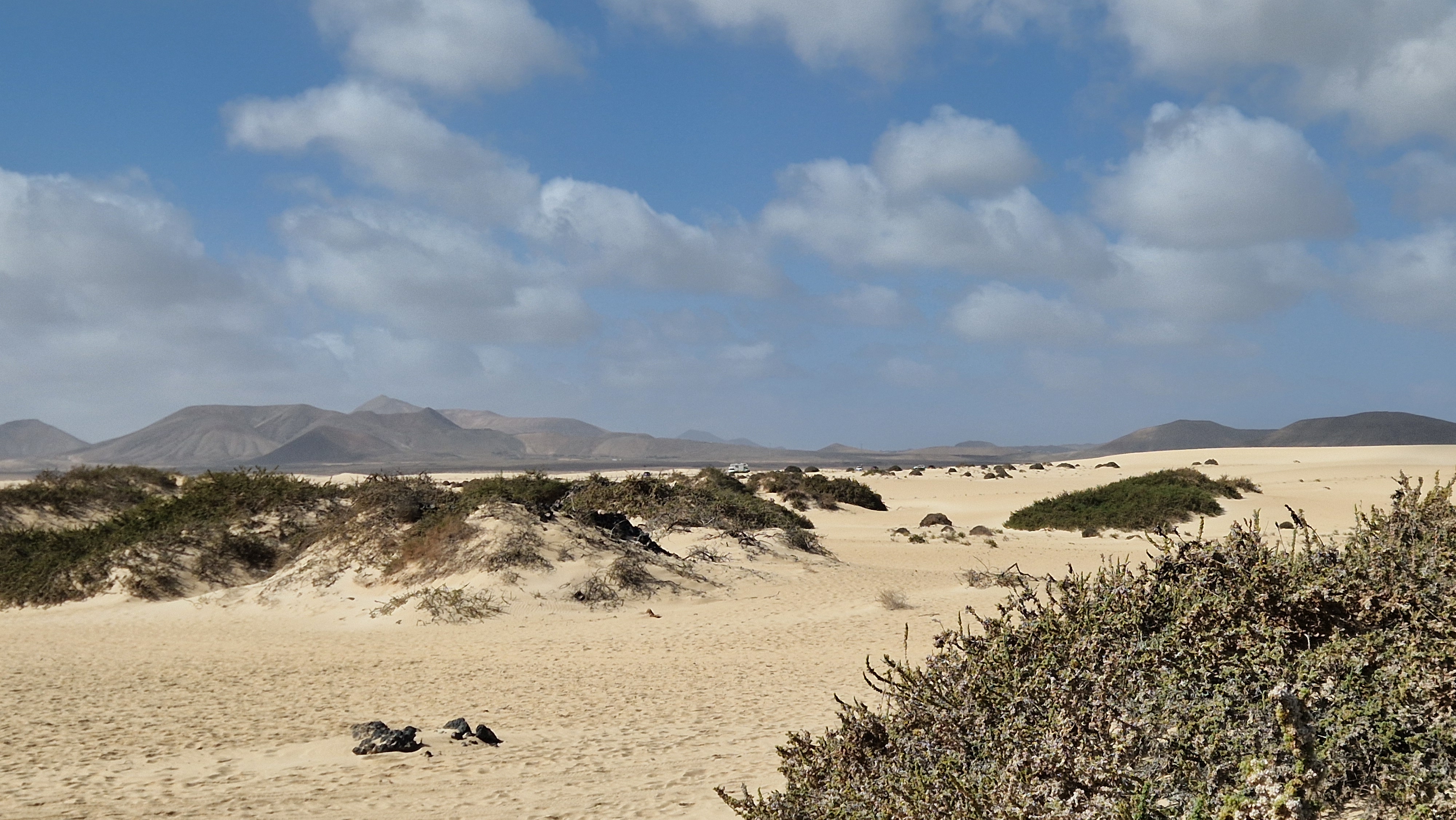
    A view of the Dunes National Park in Fuerteventura, Canary Islands, Spain showing a vast landscape of sand, rocks and mountains in the distance with no people in sight

    There are times and places when being alone in a natural place can be awe-inspiring. Sometimes, just the vastness of a landscape means that it is possible to be away from any distraction from technology or any interruption from another person. It is possible to overlook a landscape and be aware of any ‘threat’ long before it becomes obvious. That sense of being alone and uncovered in the grandeur of nature allows one to appreciate the truth about our place in the environment.

    As well as being immersed in a landscape, immersion in a more literal sense is also worth investigating. Wild swimming has become an increasingly popular activity. Naked wild swimming allows a truly deep connection with the environment and a total sensory experience (although you should always be with someone else, for safety reasons).

    AI-generated image of a middle-aged man wild swimming in a lake and gaining the benefits of immersion in a natural environment

    Sometimes, nature can be more intimate and sheltering. A woodland clearing or a secluded spot on a river bank can provide refuge and shelter and be ideal places to have an aletheic experience.

    An image of some coniferous woodland (tall trees) with a naked male in the foreground contemplating his place in nature. This illustrates an awe-inspiring natural space that is also secluded.

    Often, natural places are busy. After all, getting into nature is good for us and a popular activity. This can make being alone with your thoughts in nature more difficult – especially when you wish to experience it in a raw, unconcealed state.

    If you are lucky enough to have access to private land, with permission, then your opportunities are greater. The chances of being disturbed are lessened and you can immerse yourself in the environment on your own terms.

    Many naturist clubs and associations have areas of wilderness or woodland on their land. My local venue has over 20 hectares of land, and a large part of that is woodland. That is a place where I can find a spot to stop, think and experience benefits such as forest bathing.

    Sometimes, just knowing when a place is likely to be quiet will give you the opportunity that you need. Experiencing the majesty of nature in moonlight can be a profound experience, as can getting to a beach early in the morning to experience the crash of waves onto the shore when no-one else is there.

    ai-generated image of a young, apparently nude, woman experiencing the majesty of nature by moonlight

    Creating a safe space closer to home

    Getting out into nature to experience aletheia is not always easy, especially if you live in an urban area or if transport is not readily available. It is possible to create spaces in and around the home where the feelings associated with safe vulnerability can be achieved.

    AI-generated image of a small space set aside in a garden to provide privacy whilst still being able to experience nature.  The space includes planting, paving stones, a trellis and a pergola

    If you have a garden – even a small one overlooked by neighbours – a secluded nook can be created easily and at a low cost. The careful placement of plants and structures such as a trellis and pergola can provide the safety of privacy whilst still being permeable and open to the elements. Balconies and courtyards can also be planted and screened to increase privacy whilst also bringing nature closer to the home.

    AI-generated image of a balcony of a flat (apartment) with a variety of plants and herbs, as well as screening plants for privacy

    Indoor spaces also provide opportunities for connection to nature in a way that provides safe vulnerability. It is possible to create a simple aletheic space for a very low cost that provides both an immersion in a naturalistic environment with the security of being in one’s own home. It doesn’t even have to be a dedicated room. You can set up a corner in a larger room

    AI-generated image.  A corner of a room with windows screened with sheer voile curtains. Houseplants, armchair and a rug on a wooden carpet. Nude figure standing, looking pensive, through a window on to a view of plants and trees

    The use of screening plants near doors or windows, sheer voile curtains over large windows and large houseplants create the aesthetics and textures. Adding natural scents and a nature-based soundscape from a smart speaker can help to create a holistic sensory experience and really bring a sense of the outdoors into the home.

    The keys to safe vulnerability

    Aletheia is the experience of revealing truth about ourselves and our environment through stripping away artifice and the unnecessary. It is about authenticity. Sometimes, however, we have to simulate an environment in order to experience the fleeting sense of vulnerability – the butterflies in the stomach – that can lead to a deeper understanding of ourselves.

    In the environments where we live and work, this might require some forethought. Privacy might be an issue, or the risk of distractions from people or – more likely – our phones.

    These can all be overcome, often with little cost attached. The key is understanding how to use places and time to their best effect.

    Contact me for advice about your own space and how to create an aletheic environment?

    ← Back

    Thank you for your response. ✨

  • Radical comfort

    Radical comfort

    Wellbeing stems from comfort, defined as feeling secure both physically and psychologically. Radical Comfort emphasizes a fundamental approach to design, prioritizing user needs over superficial aesthetics. It integrates physical, psychological, and environmental elements, aiming for spaces that foster true ease through biophilic elements and understanding human sensory experiences.

    Note: This post explores the psychological and wellbeing benefits of naturism within biophilic environments. It contains illustrations depicting nudity and the human form.

    Wellbeing is a direct result of comfort. When you are comfortable, you have greater satisfaction with your life (and work) and you are better able to achieve your goals. So, what is comfort? And, why radical comfort?

    Comfort is about feeling at ease. It means that the physical environment is telling your senses that you are safe. It means reducing confused and contradictory inputs and it is very much about our psychological state.

    Wellbeing is not just about design

    Research on workplace wellbeing has consistently shown that the single biggest influence on wellbeing isn’t the design of the environment, but the culture of the organization. No amount of state-of-the-art biophilic design will cancel the effects of toxic management styles, lack of agency and extreme monitoring of every keystroke or toilet break.

    The same applies in society. Authoritarian regimes seem quite keen to develop fabulous biophilic environments. Whilst I would never want to see those environments removed, they will never lead to true comfort when press freedom is restricted, political discussion is regarded as a threat to the state and human rights are abused. There is a whiff of ‘Bread and Circuses‘ about such installations.

    So, what does ‘Radical Comfort’ mean?

    The word ‘Radical’ is often thought of as being related to being revolutionary or promising major change, which it is. It also has an older meaning: of, belonging to, or from a root or roots; fundamental to or inherent in the natural processes of life.

    Radical Comfort is a philosophy that seeks to satisfy human comfort at its root – at its fundamental, and unmediated level. It is the uncompromising pursuit of a state of physical, psychological, and environmental ease.

    Radical Comfort moves beyond standard ideas of biophilic design by acknowledging that the most fundamental connection to nature and a sense of belonging in nature occurs when the individual is free from artifice, pretence and psychological barriers, which enable to them encounter their true selves.

    Radical Comfort and design

    Most design only achieves surface comfort, but Radical Comfort is a more holistic and evidence-based way of doing things. It could lead to spaces where the environment is perfectly tuned to the users’ needs. This evidence-based approach actually asks questions about what the user needs rather than simply assuming and imposing.

    This approach to biophilic design is founded on the belief that human wellbeing is inseparable from our biological reality. It is a design language that honours the body as a natural component of the ecosystem, not an alien presence requiring separation and concealment.

    Our search for aletheia (truth / unconcealment) drives the pursuit of Radical Comfort: the authentic truth of human wellbeing.

    Physical Radical Comfort

    This is design for the needs of the highly sensitive, unencumbered body. Specifically, thermal regulation, tactile sensation, acoustics and movement.

    When our senses are free to work together, we are able to understand our environment with minimal mental effort. This reduces stress, frees up mental capacity and increases comfort. Our senses most effective at telling us the truth about our environment when they are unblocked and .

    The touch points

    By designing for the comfort of our largest sense organ, the skin, we need to reject materials that feel artificially cold, rough or sticky to bare skin. High quality, sustainably-sourced natural materials are worth investing in.

    Textures make a big difference too. Wood, cork and moss not only offer greater visual interest, but the variety of different textures add to the tactile interest too.

    A composite image of cork, moss and oak showing different natural textures that can be used in a biophilic space

    Furniture should be designed without pressure points, harsh seams, or restrictive forms. The design should accommodate the fluid movement of the unburdened body.

    We must also consider our feet

    They are in near constant contact with the environment. When you think about it, our feet are remarkable parts of the body. We are naturally unstable structures – tall and top heavy – and by rights we should be constantly falling over. Our centre of gravity is about two thirds of the way up from the ground, yet our feet have a total area in contact with the ground of about only four hundred square centimetres (about two-thirds the area of a sheet of A4 paper). The nerve endings in our feet and the fine control of the muscles in our feet and legs work constantly to stop us crashing to the floor.

    This means that we should allow our feet to experience the full properties of the surface. Fine changes to textures and warmth can be excellent, yet subtle, signposts to help us navigate a space more easily.

    an AI-generated image showing a person walking barefoot on four different surfaces: wood, stone, carpet and cork illustrating how the feet are able to provide sophisticated sensory inputs and help us to maintain our balance

    Invisible and untouchable elements: thermal and acoustic comfort

    The unclad human form is highly sensitive to temperature fluctuation. A Radical Comfort space should allow, as far as is possible, as much individual control of heating, cooling and air flow. This is relatively easy in the home, but somewhat more difficult in an office or other commercial space. Having said that, some office furniture manufacturers have started to incorporate adjustable heating and cooling elements in desk tops that provide warmth around the wrists – an especially sensitive area that can help regulate body temperature.

    I mentioned in a previous post about how getting into a state of flow can make the work day seem easier. Distractions can break that flow state, and it can take a long time to get back into it. One of the most frequent and annoying distractions is noise. Radical Comfort requires quiet (not necessarily silence) and the absence of distracting sound.

    This can be achieved with a number of biophilic elements: plants and moss are good at absorbing and diffracting noise, and synthetic soundscapes that produce subtle non-rhythmic sounds, reminiscent of a breeze or waterfall, or even the lapping of waves on a stony beach have been demonstrated to be very effective at masking distracting noise.

    Light and shadows

    Radical Comfort takes into account our natural biorhythms and how we respond to light throughout the day. In our wild, ancestral state, humans evolved to respond to changes in light intensity and quality throughout the day. As the light changed, so various hormones were produced or supressed affecting our mood, alertness, appetite and sleeping patterns.

    Fortunately, biodynamic lighting is available to replicate these natural patterns. In the home, smart lighting can be programmed to approximate the changes during the day, but in commercial buildings, really sophisticated systems can be deployed to great effect. Biodynamic lighting is even used in some aircraft to reduce the impacts of jet lag.

    As well as the quality of light, we should think about how the light plays around a space – the shadows cast, the direction it comes from, glare produced and the interaction with paint colours. This requires careful consideration of wall finishes, ceiling heights, and reflective surfaces – even the use of mirrors to move light around a space to borrow views from the outside and bring them in.

    We can even consider the Golden Hour effect in the context of an aletheic environment. The space could be designed to maximize soft, warm light during the hours of rest and relaxation. Low light levels can enhance relaxation and the feeling of wellbeing as well as reducing self-consciousness through shade and deeper shadows – a key step toward psychological Radical Comfort.

    an AI-generated image of a nude woman sitting in a chair on a patio in a late summer evening, enveloped by shadows and just the afterglow of the setting sun

    Psychological Radical Comfort

    Comfort is not just physical, it is psychological as well. A good sensory environment is critical for our sense of safety, but we must also consider the mental environment as well.

    In fact, good psychological comfort can outweigh the problems of a poor physical environment as long as there is a feeling of security and the ability to be one’s self without judgement or interference.

    In design terms, a place of Radical Comfort is about creating a space where the user feels absolute security, privacy and agency. The user of the space decides who is let in, and under what conditions.

    Such a space minimizes stress and the feeling of the need to perform, or to conceal, any aspect of the self.

    AI-generate image of an ideal 'wellness' room that might be found in an office building or other space where a restorative environment would be beneficial

    This could mean the use of materials such as privacy glass in windows – allowing a view out, but restricting a view in – or the careful placement of screens and plants. These could be permeable to a degree to allow light and breezes in without ever fully exposing the private space.

    An AI-generated image of a patio surrounded by vegetation such as climbers and tall grasses where a sense of privacy can be achieved whilst still being in the fresh air

    On the other hand, places where complete trust and acceptance are found, such as in naturist venues, can be ideal spaces for being completely, authentically, uncovered without fear of judgement or objectification. The creation of new kinds of aletheic, naturist environments away from traditional settings is one that I am particularly interested in exploring.

    The biophilic envelope

    Radical Comfort seeks to guarantee a restorative environment by creating a seamless interaction with living systems (biophilia). This could mean designing interior and exterior spaces that are fully private and secure, creating a sense of being enveloped by nature. The space will allow for the safe experience of the liberated state, and is the key to turning a garden or room into an aletheic environment rather than just a pretty space.

    Plants, water features, and textures are not merely decorative but should be used to deliver an optimized, positive sensory input. This could include using plants with pleasant scents (which is easier in a garden than indoors) and tactile qualities that invite one to touch and feel the foliage.

    An AI-generated image of a young woman smelling the flowers of a scented jasmine plant experiencing an olfactory sensory experience in an aletheic space

    Plant displays can also be used to optimize the acoustic environment too. Research carried out as long ago as the 1990s showed how plants and plant displays could absorb, diffuse and refract sound. Indoors, they can be placed to reduce echoes. Outdoors, trees are especially good at absorbing noises.

    Biophilic elements can be actively used to improve air quality and humidity to a therapeutic level, even exceeding standards such as the WELL building standard. Green walls, and especially the new generation of active air green wall systems, are very good at improving indoor air quality by reducing pollutants and improving humidity – something that would be especially beneficial to uncovered skin. When used well, the synergy of function and biophilic beauty can have a significant benefit.

    An AI-generated image of a garden room opening onto a secluded outdoor space where plants and a green wall create a seamless transition from indoors to out

    My background in plant science and horticulture, as well as my long experience of biophilic design, allows me to focus on the use of greenery and other aspects of interior landscaping to maximize Radical Comfort. If you would like to learn more or would like some advice on a project, then please get in touch.

    ← Back

    Thank you for your response. ✨

  • Risk, peril and awe

    Risk, peril and awe

    In this post, I explore some of the patterns of biophilic design: categorized into nature interactions, spatial qualities, and the psychological impact of environments. The feelings of risk, peril, and awe highlight how these elements could enhance experience in authentic spaces.

    Note: This post explores the psychological and wellbeing benefits of naturism within biophilic environments. It contains illustrations depicting nudity and the human form.

    In my last post, I mentioned the work by Terrapin Bright Green about the patterns of biophilia and how they can be incorporated into the built environment. The patterns are grouped into three categories

    Nature in the space

    This is, essentially, the stuff you put in, on and around a building to evoke a sense of being in nature

    • Visual connection with nature (e.g. plants and greenery)
    • Non-visual connection with nature (e.g. scents and soundscapes)
    • Non-rhythmic connections with nature
    • Thermal and airflow variability
    • Presence of water
    • Dynamic and diffuse light
    • Connection with natural systems

    Natural analogues

    This relates to materials and nature-inspired design

    • Biomorphic forms and patterns
    • Material connections with nature
    • Complexity and order

    Nature of the space

    This is the area I find most fascinating, as it relates not just to what is used, but how the space is used and how we feel in the space.

    • Prospect: views over a distance
    • Refuge: a place for withdrawal where there is safety, privacy and room to contemplate
    • Mystery: encouragement to travel deeper into the environment
    • Risk / peril: an unidentifiable threat coupled with the knowledge of a reliable safeguard
    • Awe: stimuli that defy an existing frame of reference and lead to a change in perception

    I think that the last two patterns can be the ones that can be most revealing of themselves and of ourselves. This is the bridge between biophilia and aletheia.

    The patterns of risk / peril and awe are deeply rooted in our innate psychological and biological responses. When applied to an aletheic environment – a space where truth, non-concealment and unconcealedness are central – the experience becomes about confronting reality directly and authentically.

    Experiencing risk and peril in an aletheic environment

    Risk and peril is about feeling an identifiable threat coupled with a sense of security. In a true, unconcealed space, this isn’t about physical danger but about psychological and social vulnerability.

    The peril is the risk of being seen, judged, and fully exposed, not physically but in a raw, authentic state. The safeguard is the trust and acceptance of the environment and the people within it. This creates a sense of profound psychological safety.

    As a sensory experience, the peril could be the feeling of being fully exposed to the elements, such as the cold touch of stone, an unexpected breeze, being caught in a shower of rain or the warmth of the sun on the skin. This is a direct, unmediated sensory feedback which leads to an authentic, unconcealed experience of the environment.

    When we consider the design of a space, we might think about spaces with a high, open ceiling (prospect) that also has small, intimate nooks (refuge). The “risk” is the exposure of the open area, while the “safety” is the option to retreat. The design itself mirrors the push and pull of vulnerability and security.

    Experiencing awe in an aletheic environment

    Awe, as a pattern, is about confronting something vast and complex that challenges our existing understanding. In an aletheic context, awe comes from a sense of truth and connection.

    Awe can be evoked by witnessing the raw, unconcealed power of nature.

    In nature, these environments could be vast forests, open plains, high waterfalls of sheer cliff faces. Places where we really can recognise our vulnerability against such scale and natural power, but also knowing that, as a species, we have been able to navigate, and even thrive, in such environments.

    A photograph of a large banyan in India showing how one organism can become vast and make a person feel small and vulnerable in comparison.  Image by the author

    Sometimes, we can also create such spaces. Places like the Great Pyramids, Stonehenge, vast cathedrals and temples all evoke a sense of awe. More modern spaces such as the magnificent palm house at Kew Gardens, the Eden Project in Cornwall or even places such as Bangalore Airport can make one gasp.

    Imagine a large indoor waterfall, a living wall that extends through multiple floors, or a glass ceiling that reveals the night sky. These elements present a complex, vast system that you can directly experience, connecting you to something bigger than yourself.

    A photograph of the terminal building at Bangalore Airport, India, showing how nature-inspired architecture on a vast scale can create a sense of awe

    Unconcealed Design

    Awe can also come from the honesty of the materials and structure. Exposed building materials like raw concrete, untreated wood, or a direct view of a building’s mechanical systems can be awe-inspiring in their authenticity and lack of artifice.

    A photograph of the Lloyds of London building, Lime Street, London
    Lloyds of London building.
    Photo by Kei Scampa on Pexels.com

    The complexity and beauty of biomorphic forms can also inspire awe. A large, spiral staircase mimicking a seashell or a structure with branching columns like a tree can create a sense of wonder and connection to the vast patterns of life.

    A photograph of the interior of Changi airport, Singapore
    Interior of Changi Airport, Singapore.
    Photo by Lynde on Pexels.com

    Raw exposure: nudity amplifies the experience

    Nudity in these spaces doesn’t just add to the experience; it can fundamentally change it, making the sensations of risk, peril, and awe more intense and immediate. It is easier to achieve in a natural environment, but could be possible in the built environment – perhaps through out-of-hours naturist tours of places like a grand botanic garden or architectural masterpiece.

    AI-generated image of a group of naturists visiting a tropical plant house in a botanic garden

    Being unclothed removes a primary layer of social protection and concealment. It makes the risk of being seen more palpable and immediate, which in turn makes the safety of the trusting environment even more profound. The body’s immediate vulnerability to temperature changes and textures also heightens the sensory peril and the confidence in a safeguard.

    an ai-generated image of a naked person navigating a maze with high hedges

    Nudity creates a direct and unmediated experience. Being naked removes the physical and psychological barrier between the person and the environment. You are not just observing the space, you are directly interacting with it through your whole body. This unmediated connection enhances the feeling of aletheia, as there is no concealment between you and the truth of the space.

    ai-generated image showing a naturist in a natural green space

    The experience of awe becomes embodied. Instead of just a mental concept, you feel the smallness of your body in a vast space or the intricate complexity of a natural pattern against your skin. This can lead to a deeper, more visceral sense of wonder and connection to the world around you.

    an ai-generated image of a naked person standing on a cliff edge overlooking a deep canyon

    The integration of nudity in an aletheic, biophilic space is not just about personal preference but about a deeper philosophical alignment with the patterns themselves, a move towards total non-concealment and an authentic experience of the world.

  • A space for doing

    A space for doing

    The post discusses the benefits of biophilic design in home offices and other remote working environments. I explore whether performance, effectiveness and job satisfaction can be improved when the body is relaxed and the mind in a state of flow. I mention my personal experiences with naturism and, and advocate for comfort and sensory coherence in workspace design. I also suggest potential revenue opportunities for naturist venues.

    Note: This post explores the psychological and wellbeing benefits of naturism within biophilic environments. It contains illustrations depicting nudity and the human form.

    A different way of working from home

    In a recent post, I wrote about creating spaces for meditation, especially naked meditation. It is a practice that gives an opportunity to notice one’s feelings and a place in the environment in a pure, unconcealed form.

    That purposeful activity can be good to aid relaxation, decompress and clear the mind. I often start my working day with some meditation. Sometimes I will take a break from the desk and meditate during the day as well.

    I work from home, and have done for almost twenty years, so when the pandemic hit and lockdown was imposed, I found it easy to adapt. I had a garden office and, at the time, lived in house in the countryside. The only thing that really changed was that even more of my work was conducted online and visits to offices and customers stopped completely.

    A photograph of my garden office in the winter
    Garden office in winter

    This was also the time that I started my own business and ceased to be an employee (although not necessarily in that order!)

    It was also a period when I contemplated naturism as more than just the beach activity that I had previously enjoyed.

    I’ll get back to that.

    Flow

    Flow is a state that, when you get into it, seems to allow you to work with great clarity and almost without effort. When you get into that state, time flies and work gets done. However, every distraction or interruption can take you out of the flow state, and it can take several minutes to get back into it.

    In many offices, noise is a major distraction. In an open plan space, it is impossible not to tune in to conversations taking place nearby. This is probably an artefact of our evolution – if there is a threat (or opportunity), it’s a good idea to know about it quickly and act accordingly. However, the brain tunes in before realising that the conversation is only about someone cooking fish in the office microwave. At that point, flow has stopped and it takes a while to get going again. This is one reason why a lot of people wear headphones in the office – not just to take calls, but to block out inane chit-chat.

    It’s not just noise. Flow can be disrupted by any distraction, and that distraction can be the result of getting confused sensory inputs. This is where biophilic design comes in.

    Biophilic design for sensory coherence

    A lot of people think that biophilic design is just putting plants in buildings. Plants are certainly a vital component, but biophilic design is really about creating spaces that allow all of our senses to work together in harmony. The things we see should be reinforced, not contradicted, by what we hear, touch, feel and smell. It is about creating built environments that evoke a feeling of nature that relates to our evolutionary history.

    An organization called Terrapin Bright Green has been at the forefront of biophilic design thinking, and it has produced its famous and insightful publication about the 14 Patterns of Biophilic Design (to which a 15th category, Awe, has recently been added).

    Cover of the book '14 Patterns of Biophilic Design - Improving Health & Well-Being in the Built Environment - 10th Anniversary Edition' featuring a modern building and water reflection.

    The fourteen patterns are grouped into three categories: nature IN the space, nature OF the space and natural analogues.

    A truly biophilic workspace is a significantly better place to be compared with a more conventionally-designed office, and is probably more productive. Certainly, a lot of employers are investing a lot of money into workspaces that are more comfortable and aid wellbeing.

    Home working

    Many office workers (maybe even the majority in some countries) work from home at least some of the time, and the home office is rarely as expensively fitted out as the most modern office building. The home office may not be free from distractions. However, there are things that can be done to help get into a state of flow. Including a couple of things that can’t easily be done in an office.

    A few years ago, I was involved with a research programme carried out at the University of Exeter, which demonstrated that the more autonomy and empowerment office workers had over their working environment (from furnishings to decoration, and even the positioning of pot plants), the more comfortable they were.

    When they were more comfortable, they were happier, had greater job satisfaction and, ultimately, were more productive.

    The home office is where autonomy over the working environment is almost complete.

    Sensory coherence and connection with your environment are the key to success. A working space that provides a true, aletheic connection with nature can be very effective.

    Let’s start with the basics.

    Comfortable furniture and good lighting are priorities

    Without those, then the chances of working comfortably, and productively are diminished. Lighting, in particular, is important and I would recommend investing in a good quality desk lamp as well as making the most of smart lighting and windows.

    Next,

    Temperature and ventilation need to be considered

    Most homes don’t have air conditioning, so managing the indoor climate is under your own control. You have the power to turn on the heating, light a fire, open a window or use a fan as you wish.

    Admittedly, the recent heatwaves here in England have made keeping cool quite difficult, but there are ways to make it bearable – especially if you can shift your working hours to the cooler parts of the day.

    Working in a home office also means that clothes are much less important and can be worn (or not) for comfort rather than image and convention. Video calls, however, might require one to wear something more business-like.

    Biophilic design in the home office

    Once the basics of a home workspace are in place, we can look at some more biophilic elements. Here are a few tips.

    Give yourself a view

    View from the window onto the garden and the hedgerow beyond from a home-based desk

    If possible, arrange your desk so that when you look up from the keyboard or screen you can see out of a window. Even if the view is of another building, it will be something distant to focus on, and that will ease eye strain and bring give you a sense of what is going on outside – it might help you decide whether to venture out on a break, or hunker down in the warm, but whatever the weather, you will connect to the world outside.

    Open a window

    An open window will refresh the air and flush out excess carbon dioxide and other pollutants generated inside the home. It will also bring the sounds of the outside world in – you may hear voices or birdsong or the sound of the wind. It might also be traffic noise, but even that can sometimes be a relief from silence.

    Buy some houseplants

    This is the eye-catching, Instagram-friendly intervention that will illustrate the pages of the colour supplements and lifestyle websites. However, it is an effective way of bringing some life indoors.

    An image of three houseplants on a shelf

    Houseplants need not be expensive or huge. Ikea, for example, has some terrific plants and pots at very good prices (and I know a lot about indoor plants, so you can trust my judgement on this). They add green interest to the indoor environment and also demand some care. Watering (not too much), cleaning and trimming, and arranging plants can be very therapeutic.

    Follow your nose

    Our sense of smell is our most primitive – detecting chemicals in the environment (which is what the sense of smell is all about) was the first sense to evolve in the animal kingdom. We often react to scents instinctively and before we are consciously aware of them, so we can use fragrances to create a multi-dimensional sensory environment very easily. The range and quality of home fragrances is more comprehensive than ever before, so there is bound to be something appealing.

    Image of a reed scent diffuser showing a brown glass bottle and a small bunch of reeds

    I’m not going to go down the road of recommending particular scents for particular settings or tasks – we risk straying into pseudoscience – just choose something that you, and your housemates, like.

    Water

    We use our sense of hearing and smell to detect the presence of water, often before we see it – this is a survival mechanism. As wild animals, we needed to be able to find safe water – not just to drink, but to find prey that also needed a drink.

    The sound of rainfall or babbling streams can be found easily just by asking Alexa (or other smart speaker system). A fish tank or small indoor water feature can also be soothing.

    Take care of your skin

    The skin is your largest sense organ. As well as stopping your insides from escaping, your skin is home to sensors that detect temperature, pressure, movement and resistance, shape and texture. It even senses changes in humidity and static electricity.

    Don’t starve it of sensation. Use different textures around your workstation and allow your skin to be stimulated – maybe all of it, not just the hands and face. Someone once suggested to me that clothes on skin were akin to a blindfold for the eyes.

    Create a breeze (not a draught), experience some sunlight or even take a shower for pleasure rather than utility.

    Comfort is the key

    Biophilic design isn’t just about plants. It isn’t about bringing nature indoors. It is about being comfortable – physically and mentally. Comfort brings happiness and happiness is the key to both life satisfaction and also job satisfaction. A little investment in comfort can pay huge dividends for the individual and employers relying on home-based workers.

    Non-rhythmic sensations: shadows and sounds

    Nature is pretty random. The sites and sounds of nature are rarely regular. Think of the sounds made by wind or rainfall, the rustling of leaves or the play of shadows across the ground. These non-rhythmic stimuli can be replicated in the home too: flames in fireplace or candle, the sounds of rainfall (as mentioned earlier) or even the impact of water droplets on the skin from a shower can be comforting and calming.

    AI-generated image showing the face of a person taking a shower, with water droplets falling on the face

    Working naked

    I mentioned earlier that during the Covid lockdowns of 2020 my exploration of naturism shifted. Before then, I occasionally visited naturist beaches, often on holiday, because it felt comfortable and liberating. Swimwear seemed pointless and nude swimming was a revelation.

    However, during lockdown, with access to a secluded garden and with time on my hands, I started to think more deeply about naturism, its philosophy (or philosophies – there are as many as there are naturists) and the reasons for it feeling so good.

    I took to spending time in the garden naked, which was wonderful. The complete, uncovered connection with my environment revealed more about me than just my body. Something deeper stirred.

    Then I experimented with not getting dressed for work unless I had a video call. I don’t think I was alone in that. If anecdotes on social media are anything to go by, lots of people experimented with naked working.

    Mental clarity

    My own experience (and this may not be everyone’s) was one of clarity. I could enter a flow state more quickly, think more clearly and get more stuff done. This may be coincidence, but it may also be as a result of the holistic, coherent sensory environment that I had created. My home office was already pretty biophilic, but now it was not just the stuff in the office, it was the interaction between my environment and my whole self that seemed to work.

    These days, unless it is very cold, or if I have to take part in video calls, I will probably be naked when working in my home office.

    Try it for yourself – you have nothing to lose, and you might find that you work better as a result.

    An AI-generated image showing a person working at a desk in a home office. The person is naked as this image illustrates working in an environment where all senses are stimulated coherently to create a truly relaxed state

    Get in touch if you would like some advice on how to design your own aletheic home office – there’s a contact form at the end of this post.

    Opportunities for naturist-friendly venues

    I cannot foresee a time (certainly in my remaining lifetime) that companies will create nude working zones in their office buildings. It is true that wellbeing and biophilia are informing design choices in offices, but enabling naturist work is unlikely to take off. There may be some opportunities to use the plethora of wellness rooms that are appearing in office buildings, but I don’t see it happening as a mainstream way of working.

    Remote workers and freelancers often find themselves working from coffee shops, coworking spaces or even motorway services. These are not always ideal places to work, and are often noisy, distracting and very far from being biophilic. However, there may be some spaces that could be used.

    According to a recent survey highlighted by British Naturism, over 6 million people in the UK have taken part in naturist activities. A lot of those people will be office workers. Some of those office workers may well rely on remote locations for some of their work.

    I think there is an opportunity for naturist clubs to take advantage of this potential market. There is an opportunity to open up a new revenue stream and make some extra income during the winter months, or during periods of bad weather when traditional naturist activities are limited.

    AI-generated image showing how a clubhouse or lounge at a naturist venue could be repurposed as a co-working space during winter months when conventional nude recreation is limited

    Many clubs have pavilions or club houses. With a few biophilic interventions, maybe an upgrade to their internet connections and some desks and office chairs, they could set themselves up as co-working spaces for those that would like the opportunity to work unconfined by clothing.

    Access could be given to members of British Naturism, or a network of venues could set up a membership scheme (subject to the usual vetting processes) and users could join a subscription scheme or just pay as they used a space.

    I have a background in workplace wellbeing, biophilic design and horticulture. I work with architects and designers, and others, in the creation of effective working environments.

    If you run a naturist venue and think that this is an idea worth looking into, get in touch. I would be happy to have a chat about it with you, and maybe even visit your location see what might be possible.

    Get in touch for advice about creating an aletheic home office or remote working environment

    ← Back

    Thank you for your response. ✨

  • A space for meditation

    A space for meditation

    Reflections on the ups and downs I experienced post-pandemic, and how meditation has helped my mental health. Through personal insights, I discuss finding peaceful spots for meditation, both outdoors and indoors, and suggest creating calming environments with natural elements. The potential benefits of nude meditation and the role of wellness spaces are also highlighted.

    Note: This post explores the psychological and wellbeing benefits of naturism within biophilic environments. It contains illustrations depicting nudity and the human form.

    A period of change

    The last few years have had their ups and downs for me, and for many others as we emerged into our post-pandemic world of seemingly ever more uncertainty. New ways of working and the stresses of a high cost of living have taken their toll on mental health.

    Now, I am not a therapist, and I don’t pretend to be able to offer advice, but I can say that taking fifteen to thirty minutes out of my day for meditation has done me the power of good.

    I started with guided meditations (and there are some good sources available online), but now I tend to guide myself. The key is to really notice how you feel, and that includes how your body feels in relation to the space you are in.

    It is possible to meditate almost anywhere, although quiet places are best. When distractions are minimized, and the place where you are meditating is calm, I think the process becomes more effective.

    A photograph of a natural environment - woodland in spring in Southeast England including bluebells and trees

    Connecting with nature

    Connecting with nature makes a positive difference, as that reduces stress before you even start. Just being in a natural environment has been shown to reduce stress and improve wellbeing – even if only for as little as ten minutes a day. Find a quiet spot, notice how you feel and take time.

    Having a literal connection with the Earth and the air can make the experience more profound. If you have access to a place where you can undress and experience nature in your most natural state, then you may uncover more than just your skin. For me, and I can speak only for myself, a state of nudity in nature when meditating reveals not only a connection with nature, but a realisation of our own place in nature.

    An ai-generated image of a naked woman practicing meditation outdoors in a natural environment where a deep connection with nature can be achieved

    Of course, finding such a place to go may be difficult. Not everyone is comfortable with the idea of being naked in a potentially public place (and in some countries, that may also be illegal, although thankfully not in the UK). So, what are the alternatives?

    If you are lucky, you may have a quiet, secluded garden. Being able to step through your back door into your own private space is a luxury, but one that need not be expensive. Some simple screening with plants and the placement of items such as water features or a sculpture can help create a naturalistic feel and still allow a deep connection with nature. A patio or terrace can be put to good use too.

    AI-generated image showing a person meditating nude on a balcony, surrounded by potted plants and featuring a wooden sculpture and water feature

    Indoor spaces

    Meditation should be comfortable and sometimes that means having to avoid bad weather. This is where the principles of biophilic design can be used to create indoor spaces that evoke a sense of being in nature, even when actually being in nature is not practical.

    This means using a combination of elements including using natural materials, plants, natural colour schemes and textures. The most important thing is to be free from distractions and to feel comfortable.

    Meditation is all about noticing how you feel. When it works well, you get into a state of calm, relaxation and mental clarity. Having that interrupted by noise or sudden changes in light or temperature can spoil things.

    In the home, a living room or bedroom can be ideal. So, how could you set about creating an aletheic space for meditation?

    Here are some general principles.

    Mindful decluttering

    Regardless of the room’s primary function, the most crucial step is to keep the space free from unnecessary distractions and clutter, so if possible, keep non-essential items stored away and out of sight when not in use.

    Natural materials and colours

    A palette of subtle, natural colours like warm whites, greens and earthy tones can be relaxing. Use materials such as reclaimed wood for furniture, linen for soft furnishings, and wool or jute for rugs. This creates a calming, organic feel that connects you with nature.

    Layered lighting

    Instead of a single harsh overhead light, use multiple sources. Consider a floor lamp with a linen shade for soft, diffused light, and maybe a small, warm-toned lamp on a side table. This allows you to create a gentle ambiance for meditation that differs from the room’s everyday use.

    A designated zone

    Use a large rug to define the meditation zone. Use furniture, such a s a coffee table, which can be easily moved to the side when you want to meditate.

    Plants

    Incorporate a few large, statement houseplants in nice pots. Their large leaves will not only add a touch of nature but can also serve to create a sense of seclusion and privacy when you sit near them. Moss panels on the walls can also add some biophilic elements – they are tactile, green and also have good acoustic properties.

    Circular wall-mounted decorative panel of preserved mosses and lichens

    The bedroom as a meditative space

    A bedroom is naturally a more private space, making it an intuitive choice for a meditation sanctuary. If floor space is limited, the bed itself can be used. the most important thing is to be able to focus on your feelings without distraction. Natural linen bedding in neutral colours would be ideal.

    Adapting the Space for nude meditation

    Your space should support your meditation practice without feeling forced or exposed, so try to position your meditation spot in a way that provides privacy. Remember, though, that the aletheic concept is also about uncovering something about your own nature in your environment. That slight sense of exposure or vulnerability can be quite revealing, so while protecting your own privacy, don’t lock yourself in.

    AI-generated image showing a naked person meditating in a room inside a house, showing plants, furnishings made of natural materials and a neutral colour scheme

    The careful placement of plants can provide a sense of seclusion and privacy while allowing light to permeate the space through the foliage.

    Using foliage near windows and light sources can also create wonderful shadows, which can be used to create areas of partial concealment and intimacy, allowing you to feel both exposed to the environment and protected within it.

    Spas and wellness spaces

    Many health clubs, spas and other wellness spaces provide space for meditation. These days, even some workplaces provide wellness rooms (although they are often not used as in some organizations, their use can be viewed as a sign of weakness, which many people do not want to risk).

    I think that there is an opportunity for health spas, hotels and other wellness spaces – beyond existing naturist clubs – to offer space for nude meditation. Not everyone that would use such spaces would consider themselves naturists or be members of a naturist club or society, but may very well wish to take advantage of a space where they could disrobe and make a complete, unconcealed connection with nature.

    This is also an opportunity for naturist venues to widen their offer and open some of their spaces up for focused activities such as solo nude mediation. This could make it easier for some people to consider aspects of naked wellness without having to jump into the full gamut of more traditional naturist activities.

    AI-generated image showing a person meditating in a designated aletheic space in a wellness spa / health club

    Interested in an aletheic space for your home or naturist club?

    Get in touch to book a consultation and let’s design a calming, authentic environment together.

    ← Back

    Thank you for your response. ✨