The prolonged summer in Southern England has led to drought and parched landscapes. Observations of seasonal changes evoke memories of agricultural traditions and community rituals. As autumn approaches, opportunities for reflection arise amidst nature’s cycles, underscoring the importance of appreciating the passage of time and the changing seasons.
The end of a long, hot summer
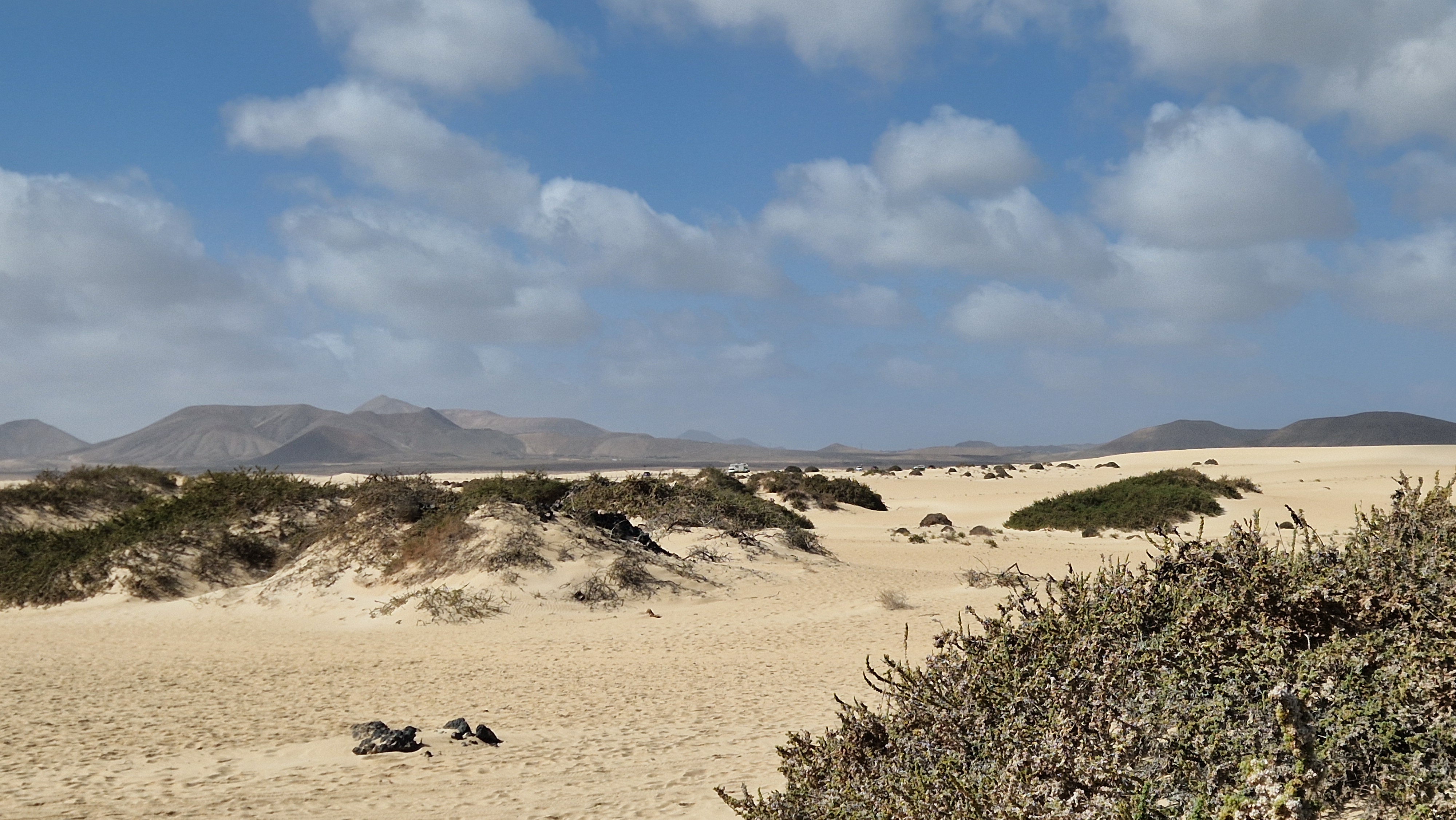
Here, in Southern England, the summer has been long, hot and very dry. Apart from a thunderstorm in June and and a couple of light showers earlier this week (late August), there has been no rain for almost three months.
Five official heatwaves and more days over 35 Celsius than ever before has meant that the landscape is parched and many trees are already dropping their leaves. This is sometimes called a ‘false autumn’. England’s green and pleasant land is currently very brown.
Autumn is often viewed as the beginning of the end of the year – nature getting ready ready for winter. Migratory birds will start to (or already have) head South and squirrels will be caching their nuts. It is only a month until the equinox.
At some point, the warm weather will come to an end (although the long range weather forecast suggests periods of above average temperatures may return in September) and the rain will return.
Noticing the seasons
As a child, growing up in the 1970s in a village in the Lincolnshire fens, I was always very aware of the changes in the seasons – not just as the landscape went from black to green to gold and back again, but also because our village community, in common with thousands of others, maintained seasonal rituals that were rooted in farming practices, especially those in summer and autumn.
A field in the Lincolnshire fens. Image by Jay Hayward (Creative Commons Attribution Share Alike 2.0)
There was ploughing (with lapwings and gulls following the plough), and ploughing matches – yes, farmers competed (and still do) against each other to see who can plough the straightest furrow and they have special competition ploughs to do it.
The sugar beet harvest marked winter, with the rivers of mud on the roads and the stench of the local sugar factories (even from ten miles away, if the wind was blowing the wrong way, you could smell them).
Spring brought emerging crops and, a few miles to the East, the bulb fields and the annual Tulip festival in Spalding. At that time, coach tours from all over the country would visit the Lincolnshire bulb fields, which rivalled those in the Netherlands.
Midsummer was the time of village fetes, always held in a farm yard. Late summer brought the cereal harvest (followed, in those days, by stubble fires) and then, in the autumn came my favourite – the harvest festival.
Village church. Image by Richard Croft (Creative Commons Attribution Share Alike 2.0)
Even as someone who has never been remotely religious, there was always something special about seeing the mountains of fresh produce and specially-baked loaves (made to look like wheat sheaves) adorning the village church. Harvest festivals with their optimistic hymns and harvest suppers were a very obvious reminder that the food we ate came, almost miraculously, from the land around us, grown with real expertise.
I studied Agricultural Botany at university, and worked in agricultural research for several years – that certainly kept me in touch with natural cycles. Then, I changed track and entered the world of workplace design and interior landscaping. After a quarter of a century embedded in offices, the seasons were almost obliterated from day-to-day thought (apart from the odd day of snow disruption).
In fact, as an interior landscaper, putting plants into buildings makes one acutely aware that the insides of buildings don’t have seasons – it is the lack of seasonal variation that determines the types of plants that can thrive indoors – those that are adapted to near constant light and heat.
The pulse of nature is not only noticeable from the countryside. In the UK, we are very lucky that our urban areas are generally well provided with public parks and gardens, and these provide very necessary spaces for people to gain the benefits of fresh air and sunshine, as well as to appreciate nature. Indeed, many of our parks are richer in wildlife than the countryside.
The forced pauses in our routines give us time to reflect and gather our thoughts. Noticing the changes in seasons – the result of the inevitable progress of the Earth orbiting around the sun as it has done for over four billion years – has provided me with a very necessary reconnection with nature and the passage of time.
Autumn is a period of new beginnings
September sees the start of the academic year and children will be back at school after a long summer break. Students may be starting a new phase in their life as they begin their studies at university, and new graduates and school leavers may be looking for their first jobs and their passage into adulthood.
Farmers will be sowing seeds for next year’s harvest and wine makers (of which there are many in this part of the country) will begin to harvest their grapes. Retailers will be getting ready for the Christmas shopping season too.
Grapes ripening on a vine in the author’s garden
Moving indoors
It is also the time to start thinking more about our indoor environments and how to create spaces and opportunities for peace and contemplation.
It’s not yet time to light the fires and bring out the blankets, but the opportunities for getting the full benefits of nature outdoors – especially the sensory inputs facilitated by a full immersion in nature – may diminish.
As I get older, I reflect on the fact that I may have fewer than a hundred seasons left. Taking the time – and making the effort – to appreciate the fascinating ways in which nature changes (and how my body experiences it over time) becomes more precious.
I’m lucky in that I have the time (I don’t work as much as I used to) and the space to explore nature as much as I want. I intend to make the most of that good fortune.
In this post, I reflect on my frequent visits to nearby woodlands, particularly from spring to summer. I have made the effort to intentionally noticethe way the woodland changes with the seasons, as well as how I experience it. The unseasonal heatwave intensifies the sensory experience of the forest. The practice of forest bathing enhances my appreciation of nature, highlighting humanity’s connection to the environment.
Note: This post explores the psychological and wellbeing benefits of nudity and naturism within natural environments. It contains illustrations depicting nudity and the human form.
There are some nice woodlands close to where I live. I visit them several times a week – especially in the spring and summer – for walks and to engage in forest bathing. I have been to this patch of woodland several times since the middle of April this year and have made the effort to notice the transition from spring to summer.
There was a profusion of bluebells on the woodland floor in the spring…
… then the gradual growth of foliage in the shrub layer followed by the development of a dense canopy in early summer.
Over the last two or three weeks, the sounds of birdsong have been more intense and noticeable. Rabbits and squirrels are more common, molehills are appearing and woodland species of butterflies are making an appearance. Yesterday, I saw a woodpecker.
I noticed some other things too.
At the time of writing (24 June, 2026), here in Southern England, we are experiencing an unseasonal heatwave with record-breaking temperatures being predicted. In the early hours of yesterday morning, there were intense thunderstorms and heavy downpours. The woodland floor was damp and the air was still and humid.
The first thing I noticed was the smell. They were so much more intense than normal. Sweet floral notes and earthy, mossy, fungal vegetal odours combined in ways that were surprising.
The way my skin felt was very different. The warm, still, humid air felt as if it was enveloping me. Just about every one of my senses was awakened and seemed more sensitive.
The contrast between yesterday and three days before was remarkable.
That contrast in experience may be because I have been making an effort to notice my environment more – something that is an essential component of the practice of forest bathing. It is almost certainly amplified by being able to experience a totally immersive sensory experience by being naked. I am sure that the changes in the way the air felt wouldn’t have been as obvious were my skin to be covered.
Aletheia is all about experiencing the truth of the environment and our unconcealed place in it. This purposeful noticing of the environment, rather than the passive acceptance of our place in it really makes a difference to my appreciation of nature, our vulnerability in its majesty, but also the way that nature changes over time.
I am not a religious person, and I have written before about my humanist outlook. However, immersion in natural places explains why so many religions are rooted in respect and worship of nature – human survival is deeply entwined with the survival of our natural environment.
This article further explores the concepts of risk, peril, and awe within biophilic design, highlighting their psychological significance. I argue that these feelings reveal truths about our existence and relationship to nature, encouraging humility and recognition of our transience as humans. Ultimately, it suggests that experiencing awe fosters a deeper connection with the environment.
Note: This post explores the psychological and wellbeing benefits of naturism within biophilic environments. It contains illustrations depicting nudity and the human form.
Experience awe for a deeper connection to nature
I have previously written about risk, peril and awe. These are regarded as patterns of biophilia that are only just being developed as elements of biophilic design.
Risk / peril is thought of as a feeling of an unidentifiable threat. The biophilic solution leads to the knowledge that a reliable safeguard exists.
Awe relates to the stimuli that defy an existing frame of reference and which leads to a change in perception.
These two patterns can be the ones that can be most revealing of themselves and of ourselves. This is the bridge between biophilia and aletheia.
The patterns of risk / peril and awe are deeply rooted in our innate psychological and biological responses.
Aletheia is all about revealing the truth about oneself and the environments we use, so when a space where truth and unconcealedness are central, the experience becomes about confronting reality directly and authentically – and almost reverentially.
Awe and reverence
I am not remotely religious or spiritual. I am a humanist and am content in my belief that we have only one life. I try to make sense of the world through logic, reason, and evidence, and always seek to treat those around me with warmth, understanding, and respect. I don’t believe that there was a divine creator – I think we are the products of nature, evolution and happenstance.
That doesn’t mean that I don’t look on the world without a sense of awe. I do. I also respect and even revere nature and I am sympathetic to the concept of Gaia as expounded by James Lovelock – not as a superorganism, but as a metaphor for a self-regulating system of living and non-living processes.
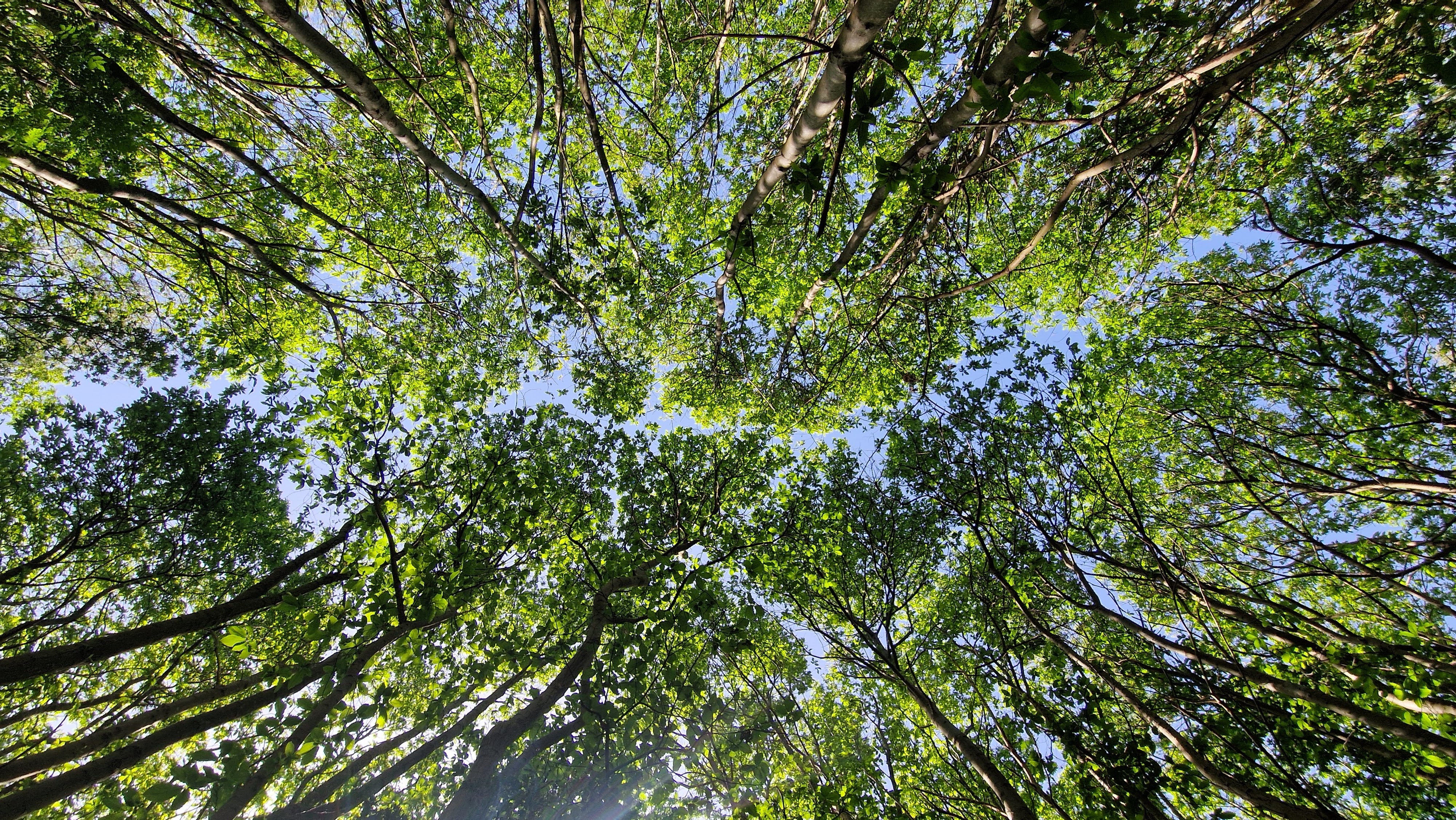
A forest canopy in Southern England. Image by the author
Nature is full of places that are jaw-droppingly astonishing and awesome in the true sense of the word. Humanity has created spaces with the specific aim of eliciting an emotional response – often religious (or at least worshipful), all the way back to the stone age.
Humanity has also created great art and music that inspires awe and reverence that can trigger profound emotional responses.
Awe is an emotion that can make one recognise vulnerability and help reveal the truth of our place in the grandness of nature and the vastness of time and space.
This is a healthy reaction. It helps us to recognise our personal vulnerability and also our need to be connected to the environment for our individual and collective survival.
As Carl Sagan reminds us, the Pale Blue Dot in space that is Earth is all that we have.
We are transient
If we are lucky, we will spend 80-odd years alive – about 0.03% of the amount of time modern humans have existed. That is not even a flicker in the 4.5 billion years that the Earth has been around.
It probably does us some good to experience awe as well as the feeling of humbleness as we reflect on our transience and in our position as just one of over eight billion humans alive today, and the countless billions who will ever have lived.
Strip away the artificial social armour of clothing and stand naked, alone in nature to get a real sense of the truth of our place in the universe.
Unhidden, unconcealed, unprotected. This is the reality of our existence – even for those of us fortunate to live comfortably.
The article explores the biophilic benefits of incorporating water into the home environment, particularly through warm showers. It highlights how such experiences engage the senses, promote wellbeing, and create a meditative state. Suggestions for enhancing bathroom aesthetics include using cohesive materials, soft lighting, plants, and mirrors to foster a calming, nature-inspired atmosphere.
Note: This post explores the psychological and wellbeing benefits of naturism within biophilic environments. It contains illustrations depicting nudity and the human form.
The biophilic use of water in the home
When you take a bath or a shower, do you stay in the water just long enough to get clean, or do you enjoy a long, warm soak? If the latter, do you do it wearing clothes? Of course not. The pleasure comes from the full immersion of the body and receiving all of the messages sent by your skin to your brain that confirms all is well.
I have previously written about the benefits of incorporating non-rhythmic stimuli into the built environment as a biophilic design intervention. In both the home and the workplace, we can use such stimuli to add an extra dimension to our sensory experiences, which ought to improve our wellbeing and comfort.
In the home, one of the simplest, and most potent, things you can do to create a biophilic experience is to take a nice, warm shower.
A warm shower can be more than a utilitarian act of hygiene – it is a deeply pleasurable, biophilic experience. It engages so many of our senses: sound, touch, smell (if your shower gel is nice) and warmth in ways that can be both soothing and invigorating. This offers a good blend of physical and psychological benefits. One reason for this pleasure lies in the non-rhythmic sensory experience it provides, which is an important element of biophilia and our innate need to connect with nature.
Unlike the predictable, repetitive stimuli we often encounter in daily life, such as the hum of a computer or the ticking of a clock, the sensation of water cascading over the skin is irregular and varied. This non-rhythmic stimulation captures our attention without overwhelming us. The gentle, unpredictable patterns of water droplets hitting the bare skin can almost induce a meditative state, allowing the mind to unwind and release stress and provide a mental escape.
The skin, as our largest sense organ, plays a central role in this experience. As warm water flows over the whole, naked body, it stimulates countless nerve endings embedded in the skin, sending signals to the brain that trigger the release of feel-good neurotransmitters like endorphins and serotonin. The warmth of the water also promotes vasodilation, improving blood circulation and creating a comforting, enveloping sensation. This tactile stimulation is deeply grounding and fosters a sense of physical and emotional well-being. Furthermore, the contrast between the warmth of the water and the cooler air outside the shower can heighten sensory awareness, making the experience even more vivid and enjoyable. These elements could be thought of as a multisensory ritual that not only cleanses the body but also rejuvenates the mind. A warm shower is a profoundly pleasurable, restorative and essentially biophilic act – cleansing both mind and body.
Changing a utilitarian space into a biophilic, aletheic experience
We have “domesticated” water into chrome taps and plastic trays, but an aletheic wet room can restore water to its elemental state. It is no-longer just a shower; it’s an encounter with a spring.
Unfortunately, in most homes (certainly in the UK), our bathrooms are rather small and utilitarian. However, that does not mean that we can’t make them a little more biophilic and a lot more calming. They are spaces where we interact with our surroundings completely. We are naked. Our entire bodies are exposed to, and enveloped in, the space. We should make the effort to make ourselves as comfortable as possible.
Here are a few ideas.
Colours and textures
Materials
To make a small space feel larger, use continuity to try and blur the boundary between the floor and walls. This can be achieved by not using different different materials. For example, by using dark-coloured, large-format slate or stone-effect porcelain tiles on both the floor and walls, you create a receding effect, making walls feel further away.
Integrate a variety of textures on the floor. Non-slip surfaces are essential, but a pathway made up of smaller tiles – perhaps resembling stones or gravel can add some extra tactile interest for the bare feet, as well as visual interest.
Lighting
Harsh lighting is unflattering and can give the impression of being under some sort of interrogation. Apart from having some functional bright light near a mirror, then subtle, warm lighting would give the impression of being in a shady woodland space rather than an operating theatre.
Greenery
Wet rooms are ideal spaces for greenery, especially those species with their natural origins in the tropical rainforest. High humidity and relatively low lighting conditions will be ideal for a range of plants, including some ferns and small palms.
Tropical climbing / trailing species can be placed on high shelves, or trained to climb up a frame or moss pole to add some vertical interest and increase the impression of being in a forest.
Small orchids (such as a Phalaenopsis spp.) may also do well in these conditions and provide pinpoints of exotic colour.
As well as live plants, features such as preserved moss panels are ideal. Mounted on a wall, they are maintenance free, use no floor space and can cope with the high humidity found in bathrooms.
Mirrors
Large mirrors are not only functional, but can also be used to make a space appear larger. Placing a mirror opposite a greenery-filled corner or wall cabinet effectively double the botanical density of the room without taking up floor space.
Tinted or “antiqued” mirrors offer the spatial expansion of a mirror but with a softer, more moody reflection that can feel more like a deep pool of water than a sharp, self-critical surface.
What about an outdoor shower?
If you have the space, a suitably private corner in your garden and – ideally- warm weather, then an outdoor shower is a perfect way of enjoying the benefits of both the non-rhythmic sensations of water on the skin as well as being out in the fresh air, listening to birdsong and seeing and feeling the beauty of plants.
An outdoor shower can be as simple as a hosepipe fitted with a suitable nozzle, or as complex as a fully plumbed-in fixture. Obviously, you must ensure that building regulations and water regulations are followed if required.
This article discusses how incorporating non-rhythmic sensory experiences, like water sounds and flickering flames, into built environments enhances well-being, productivity, and emotional health. These unpredictable stimuli promote relaxation, reduce stress, and improve cognitive function. Implementing natural elements and dynamic technologies can create immersive experiences that foster a stronger connection to nature in indoor spaces.
The benefits of incorporating non-rhythmic sensory experiences into the built environment
Fast running water cascading over rocks. Picture by the author
Biophilic design has gained significant traction over the last decade or so as a way to support well-being, improve quality of life in built environments and even improve productivity. For some designers – especially people in my own industry of interior landscaping – this starts and finishes with plants. However, there is much more to it than just greenery.
I have written before about the need to stimulate all of our senses to be truly biophilic. One way to achieve this is by incorporating non-rhythmic sensory stimuli. These include elements such as the sound of running water, the sight of flickering flames, rustling leaves, or the sensation of a gentle breeze. Ambient scenting may also be considered a non-rhythmic sensory stimulus, although this is a much more complicated issue and worthy of a separate article.
The incorporation of non-rhythmic sensory experiences into the built environment can offer additional ways to enhance well-being, productivity, and overall quality of life by making the biophilic experience more rounded. This is one of the 14+ patterns of biophilic design recognised in the iconic report by Terrapin Bright Green (which has been recently updated in its 10th anniversary edition, and which is very much worth a read).
The science behind non-rhythmic sensory stimuli
Non-rhythmic sensory stimuli are characterized by their variability and unpredictability, which is in contrast to the often monotonous and repetitive patterns found in the artificial settings of the built environment. These stimuli are common in natural settings. Research suggests that such patterns engage our senses in a way that promotes relaxation, reduces stress and may even enhance our cognitive abilities.
One study Joye et al. (2013) suggested that non-visual sensory stimuli, such as the sound of water or wind, can significantly reduce stress and improve mood. The study found that these stimuli activate the parasympathetic nervous system, which is responsible for the body’s “rest and digest” response. It has been suggested that this could counteract the effects of chronic stress. Similarly, the visual unpredictability of natural elements, such as the movement of flames or shifting shadows as the sun shines through vegetation blowing in the breeze, might capture attention in a non-intrusive way, fostering a sense of calm.
One of the most significant benefits of non-rhythmic sensory experiences is their ability to reduce stress and anxiety. In a world dominated by structured routines and artificial environments, the introduction of natural, irregular patterns can provide some form of mental escape back to nature. For instance, the sound of running water, whether from a fountain, an indoor waterfall or even from an electronic soundscaping system has been shown to reduce stress, as measured by skin conductance (Alvarsson et al., 2010), something that could be valuable in high-stress environments such as some offices, hospitals, and schools.
Moreover, non-rhythmic stimuli can evoke positive emotional responses. The sight of dancing flames in a fireplace or the gentle movement of curtains in a breeze can create a sense of warmth, comfort, and nostalgia. These experiences tap into our evolutionary connection to nature, fostering feelings of safety and well-being. Over 30 years ago, Roger Ulrich (1993) wrote that exposure to natural elements can elicit positive emotions and reduce feelings of anger, fear, and sadness, which are often exacerbated by sterile, artificial environments.
Cognitive and productivity benefits
Incorporating non-rhythmic sensory experiences into indoor spaces can also enhance cognitive performance and productivity. Research by Kaplan and Kaplan (1989) on Attention Restoration Theory (ART) suggests that natural environments, with their innate variability, provide a restorative effect on mental fatigue. Non-rhythmic stimuli, such as the sound of a breeze or the sight of moving water, can serve as “soft fascinations” that allow the brain to recover from the demands of focused attention.
In the workplace, it has been suggested that the introduction of non-rhythmic elements might be linked to improved concentration, creativity, and problem-solving abilities. Anecdotal reports suggest that people working in environments with natural sounds, such as flowing water or bird songs, experienced higher levels of satisfaction and productivity compared to those in traditional office settings.
Similarly, the use of dynamic lighting systems that mimic the shifting patterns of natural light can help regulate circadian rhythms, improving alertness and reducing fatigue. Research carried out at the BRE and presented at the Wellness and Biophilia Symposium in 2019 showed a relationship (in some scales) between dynamic lighting and improved self-reported wellbeing.
Practical applications in the built environment
The use of non-rhythmic sensory experiences into indoor spaces is now being incorporated in some workplaces, and can be achieved through a variety of design strategies. Water features, such as indoor fountains or aquariums, can provide both auditory and visual stimulation. . Similarly, the use of natural materials, such as moss, foliage, wood and stone, can enhance tactile experiences and evoke a sense of warmth and authenticity.
An indoor water feature in an airport
In addition to these physical elements, technology can play a role in bringing non-rhythmic experiences indoors. For example, dynamic lighting systems that mimic the changing patterns of natural light can stimulate the brain not unlike being outdoors throughout the day and soundscapes that replicate natural environments, such as forests or beaches, can be used to create a calming atmosphere in offices, schools, and healthcare facilities.
Virtual reality systems that simulate natural settings can also provide immersive sensory experiences, particularly in environments where access to nature is limited. I once visited a place where there were no windows in one part of the building, so screens were set up linked to cameras mounted on the external walls so the view from outside could be brought in.
I can help you with your biophilic designs
If you are a designer or are planning some biophilic interventions in your building and would like some advice on how to incorporate non-rhythmic stimuli, please get in touch. I know lots about plants, a fair bit about water and scenting and I can put you in touch with plenty of people that are experts in some of the other patterns.
In this post, I discus the complexities of body image and self-acceptance, highlighting the importance of appreciating one’s body for its functionality rather than aesthetics. The article emphasizes practicing self-compassion and creating mindful spaces to foster self-acceptance. Communal naturism is presented as a means to enhance body appreciation and reduce societal judgment, promoting overall well-being.
Note: This post explores the psychological and wellbeing benefits of naturism within biophilic environments. It contains illustrations depicting nudity and the human form.
“That’s not a good look”
I’m a generally happy, optimistic person. I have been very lucky in my life with a reasonably successful career, few health issues (so far), a happy family life and I am relatively financially secure. Objectively, I have little to worry about. And, most of the time, I muddle along happily in my little bubble of privilege.
Sometimes, though, I catch myself out. I see myself in a mirror and I think to myself “that’s not a good look”. This triggers an emotional response that makes me value myself differently – and not positively.
This is especially the case when I see myself naked.
Those accidental views in the mirror can nibble at my self esteem, and then I start doubting myself.
I won’t detail my self-perceived flaws beyond saying that I am a man in late middle age carrying several more kilogrammes than is probably good for me. My body is far from the idealised physique illustrated in the media.
Body acceptance is a tricky subject to address. Many people have hang ups about their appearance and there are no easy solutions. Even with the reassurance of loved ones and intimate partners, poor body self image can chip away at your confidence.
An aletheic perspective
The truth is that bodies age, change shape, and possess infinite variation. A true, honest look means accepting the body as it is in this moment, not as it once was, or as society dictates it should be. This view frames the body’s worth as intrinsic, derived from its capacity for experience and function, rather than an arbitrary aesthetic standard.
Aletheia (the Greek word for “unconcealment” or “truth”) establishes a philosophical foundation that moves beyond simple emotional positivity and toward a deeper, humanist appreciation of the body’s reality. The goal is to shift from the cultural habit of self-surveillance (judging the body against an ideal) to self-witnessing (accepting the body as an honest expression of life).
Shifting perspective
The human body is an incredibly sophisticated tool that allows one to experience the world and engage in your passions. For me, that includes gardening, walking in the countryside, cooking and enjoying food and wine (which may explain some of the parts of my body I’m least happy about). My body gives me the ability to enjoy my hobbies and pursue my professional interests and earn a living.
Practice functional appreciation: focus on the body’s abilities, not its aesthetics
When I look in the mirror, I now try to acknowledge the parts I find disappointing. I then immediately pivot to appreciating what my body does for me. I recognise the strength in my legs, the dexterity in my hands for work and hobbies and the ability of my digestive system to enjoy a good meal.
Instead of thinking “I see a pot belly”, I should try to acknowledge that “my core is the structure that allows me to spend hours walking in countryside or working in the garden, planting and weeding”. My body has carried me through six decades of life and work and should continue to do so.
This isn’t actually as easy as it looks when written down, but it is worth having a go.
Incorporate self-compassion
This is the opposite of self-criticism. It involves treating yourself with the kindness you would offer a good friend.
Have a mindful moment. The next time you feel that negative judgment looking in the mirror, pause and place a hand on the area you are criticising.
Acknowledge the feeling. Say to yourself that “this is a moment of discomfort. I am unhappy with how I look right now.”
Then offer kindness, as you would to a friend. Ask yourself “what do I need right now?” It is not usually more criticism, but acceptance. You might say “this is just one part of a whole, valuable human being. It is fine to look this way.”
Age acceptance: acknowledge the body as a living, ageing system
As we age, our bodies change. Try to view wrinkles, scars, and changes in size not as decay, but as growth rings or a patina of weathering patterns. A proof of your endurance and a historical record. Your body, from the day you were born to now, is a living document of experience.
Body part neutrality: unconcealment and treating all body parts equally
When you look at an area you dislike, name it neutrally, like describing a stone or a tree in a landscape. For instance, you see a finger, a knee, your feet or your belly. The parts are simply facts of the form, not a hierarchy of worth.
Mirrors redefined: use a mirror as a tool for truth, not judgment
The idea is to look for details, not defects – a slight turn of the muscle, the unique pattern of hair, the way the skin folds – and describe them factually, without assigning value.
How to create a biophilic, aletheic, mindfulness space
The aim is to create a space that embodies the unconcealed truth of the space to encourage greater self-acceptance.
The materials and environment should emphasize that the body is part of the environment, not a detached observer of it. There is beauty in its truth and functionality.
Biophilic design is all about creating physical and psychological comfort through the feeling of being connected to nature and the natural environment and for gaining the benefits of a coherent, harmonious space.
Key biophilic elements
Materials of truth
Use raw, minimally processed, or imperfect materials, such as exposed grain wood, unpolished stone, and materials that show their age (patina) as non-judgmental observers. They are imperfect, honest, and enduring, and they reflect those same qualities back onto the self, which reflect the body’s own truth.
Living greenery
Include numerous, vibrant living plants or features such as moss panels. Their natural cycle of growth, imperfection, and decay serves as a constant, non-judgmental metaphor for your own physical state.
Light and shadow
Employ diffused, natural lighting rather than harsh, direct light that emphasizes flaws. Diffused, natural light is ideal because it reduces visual surveillance, preventing the eye from fixing on harsh details and instead encouraging the holistic perception of the body as a natural, three-dimensional form. Soft shadows give depth and truth to the body’s shape. To avoid the flat, unforgiving quality of overhead indoor lighting, think about window light (perhaps with a voile curtain to soften and diffuse the light – and to provide some privacy) or lower level lamps on tables or shelves.
The mirror question: strategic inclusion
My negative reaction to a mirror might have led to its removal – that might have been an obvious reaction. However, mirrors are useful. So, when creating an aletheic space, the mirror can be included and used to re-train the mind.
Use a Covered Mirror
The mirror could be covered with an attractive fabric or a sliding panel, only to be unveiled as part of an intentional aletheic practice. This removes the risk of accidental, subconscious self-surveillance and forces a purposeful view of the whole body.
Non-Critical Viewing
When you unveil it, commit to a non-evaluative gaze for a set time (e.g., 60 seconds). Do not let your mind use judgemental words such as “good,” “bad,” “better,” or “disappointing.” Just observe shape, colour, texture, and light, as if viewing a sculpture or an unfamiliar landscape.
Indoors or outdoors?
This depends on your own circumstances and also the weather. If you have a secluded outdoor space, such as a balcony or terrace that you can adapt, then this sort of self reflection can be amplified. The exposure to the sky, fresh air and dappled sunlight diffused through foliage and the use of outdoor mirrors are effective. Such a space helps to make you feel part of the environment and your senses are brought to life.
From private critique to communal acceptance
I have written before about my being a naturist. This often means going to places where I am naked amongst a group of other naked people, whether at a club or on a naturist beach.
These are places where the whole body is on show – with all of its flaws and features that you find yourself doubting when in private.
The anonymity of a crowd
You are visible to many other people, most of whom you probably don’t know. However, those places are always free of judgement, and they are places where – despite being completely exposed – you can be completely anonymous. When everyone is naked, your own appearance no-longer seems to matter. For me, my anxieties about my body seem to vanish.
I’m not about to suggest that everyone with any sort of anxiety about their bodily self image should immediately head towards their nearest naturist beach – that could provoke all sorts of fears that might be too challenging as a first step. However, it is an option to consider, and there is peer reviewed research that supports its benefits.
Research in this area, largely led by UK-based psychologist Dr Keon West and his colleagues at Goldsmiths, University of London. The research strongly supports the claims that communal naturism has significant positive effects on body image and psychological wellbeing.
Communal naturism: a way to appreciation
The majority of empirical research focuses on the practice of communal nudity (social naturism) and consistently finds it leads to substantial psychological benefits.
Key Findings and Mechanisms:
Increased body appreciation. Studies consistently show that participants who engage in naturist activities report a more positive body image and greater body appreciation than non-participants, and this effect is often immediate and significant following an event.
Reduced Social Physique Anxiety (SPA). This is identified as the key psychological mechanism for the improvement. SPA is the anxiety resulting from the prospect or presence of the interpersonal evaluation of one’s physique. Being nude in a non-sexual, safe social setting normalizes the non-idealised human body, which reduces the fear of judgment (Social Physique Anxiety). This reduction, in turn, allows for greater self-acceptance. In essence, by seeing a diversity of natural, non-media-idealised bodies, the individual’s mind has less basis to fear their own body being judged.
Boosted self-esteem and life satisfaction. Increased participation in naturist activities is a significant predictor of greater life satisfaction, with this relationship being mediated by improvements in body image and higher self-esteem.
But what about solo naturism?
While the benefits of communal nudity are well-established, the research specifically on the effect of solo nudity at home, or self-image when alone is less abundant. Most of the available research focuses on activities done in the company of others. The practice of solo aletheic nudity (non-judgmental viewing of the self) may be an application of the lessons learned from communal settings, but its standalone effects have not been tracked in these large-scale studies.
However, there is an implicit link. The group setting shows the body is not subject to judgment, which provides the mental evidence needed for the solo practice to succeed. The improvement in body appreciation found in the studies is essentially an internal, solo shift in self-perception. That can certainly be triggered by the communal experience, but may also be possible in a solo setting when there is a purposeful goal to to shift the internal dialogue, which is exactly what these aletheic practices aim to do.
My personal experience of solo naturism in a natural setting is that I immediately feel a sense of calm. I see myself as part of that environment, not just an observer of it.
It seems as if we can confidently state that empirical research strongly validates the philosophy of naturism. It proves to be an effective, non-commercial intervention for improving body image, self-esteem, and general life satisfaction. The challenge for the individual (the aletheic practice) is to successfully carry the non-judgmental, accepting environment of the communal setting back into one’s own mind and private space.
A final thought
I am not measured by a physical ideal. I am valued by my character and my actions. My body is merely an honest record – it tells the truth of my life so far.
Some of Keon West’s research that you might find interesting
Study
Key Finding
Citation
“Naked and Unashamed” (West, 2018)
Found that greater participation in naturist activities predicted greater life satisfaction, mediated by more positive body image and higher self-esteem. This was the first research to test a specific model of naturism’s psychological effects.
This was the first randomised controlled trial of communal naked activity. It found that participants in the naked condition reported more body appreciation, and that this effect was specifically mediated by reductions in social physique Anxiety (SPA).
A small-scale study found that a four-day, nudity-based intervention led to substantial improvements in body image, self-esteem, and life satisfaction that persisted for at least one month after the intervention, even among participants who were not previously naturists.
I recently attended the Biophilic Design Conference in London, where Ulysse Dormoy discussed the health impacts of modern office lighting, emphasizing the need for full-spectrum lighting in built environments. This post also explores the benefits of total immersion in better light and explains possible additional wellbeing benefits of naked forest bathing and naturism. This post includes illustrations depicting nudity and the human form.
Is modern office lighting as good as it could be?
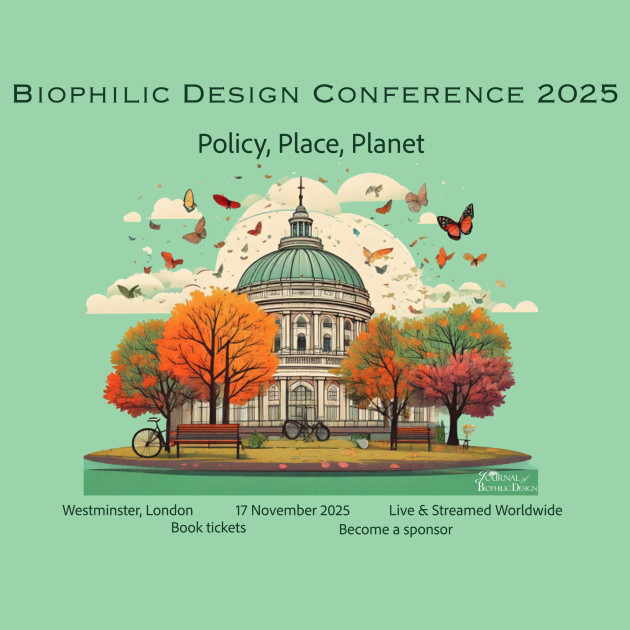
On 17th November 2025, I was lucky enough to attend the second International Biophilic Design Conference in London.
There were several really interesting presentations about the benefits of reconnecting with nature, and one of the really interesting talks was about office lighting. It was given by Ulysse Dormoy, an expert in the subject.
Ulysse Dormoy’s presentation spoke mainly about the role of far red (FR) and near infrared (NIR) wavelengths and their impact on human health. These wavelengths are just beyond the visible spectrum, and are essential for human health. This energy penetrates soft tissue and drives the reactions that take take place in mitochondria – organelles in every living cell (plants as well as animals) that power life.
We need light for more than just vision
The modern built environment – especially office buildings – relies on highly efficient LED lighting to illuminate our spaces. Modern, energy-efficient LEDs used in offices are often optimized to peak in the blue spectrum and a narrow band of red (which is difficult to achieve in LEDs without losing efficiency). This is fine for vision.
However, LED lights used in workplaces are frequently almost devoid of the NIR and Far-red components prevalent in both sunlight and older light sources. Couple this with the treatments applied to glazing to minimize excess heat getting into buildings from sunlight, then we have a problem that might affect human health.
For humans, the absence of NIR means the loss of a key input for mitochondrial health, called photobiomodulation (PBM). This leads to impaired cellular energy management that may be linked to accelerated ageing and a reduced healthy lifespan.
The presentation highlighted the disconnect between the necessary natural light spectrum and the light provided by the modern built environment. Considering humans spend approximately 90% of their time indoors, the quality of artificial light becomes a major concern for cellular health and ageing.
Modern lighting schemes may not be as optimized for wellbeing and health as you might expect. There are two issues:
Lack of infrared light (NIR/Far-red)
Older incandescent sources naturally emitted a high proportion of Near-Infrared (NIR) and Infrared (IR) energy. Modern, highly efficient light sources, particularly LEDs, are spectrally deficient in these wavelengths. They are not needed for vision, so why expend energy producing them?
However, the absence of this infrared light is now thought to be a significant health hazard, as these wavelengths are vital for photobiomodulation (PBM) and maintaining mitochondrial function.
Loss of appropriate diurnal variation
The natural environment provides a continuous, dynamic shift in the ratio of blue to red light across a 24-hour cycle. As the sun tracks across the sky, the spectral quality of daylight changes. More red light at the ends of the day, more blue when the sun is high in the sky. The disruption of this diurnal variation in the built environment affects the body’s circadian rhythm and the corresponding cellular processes it governs.
The energy-efficient modern LEDs used in offices are often optimized to peak in the blue spectrum and a narrow band of red, while being nearly devoid of the NIR and Far-red components prevalent in both sunlight and older light sources. It is midday all day.
What does this mean?
For humans, the absence of NIR means the loss of a key input for mitochondrial PBM, leading to impaired cellular energy management that seems to be linked to accelerated ageing and reduced healthy lifespan. The core message is that human biology relies on a full-spectrum signal that is largely absent in the current built environment lighting design.
Near-Infrared (NIR) light, a key component of the Photobiomodulation (PBM) effect, must be absorbed through all accessible tissues of the body, not just the eyes, to exert its systemic effects on mitochondrial health.
The mechanism of PBM, which involves the absorption of photons by the mitochondrial enzyme Cytochrome c Oxidase (CCO), relies on light penetrating the skin and subcutaneous tissues to reach the underlying cells.
The long wavelengths of NIR (typically 700 nm to 1100 nm), are specifically beneficial because they penetrate deeper than visible light.
Unlike blue or green light, which is largely scattered or absorbed in the top few millimetres of the epidermis and dermis, NIR light can penetrate several millimetres, and in some cases, several centimetres (at high power densities) through biological tissue.
Studies indicate that for musculoskeletal treatments, more than 90% of the light energy is typically absorbed within the first 10 millimetres of soft tissue. However, depending on the wavelength (e.g., 810 nm) and power, measurable amounts of light can reach depths of several centimetres, allowing photons to interact with mitochondria in muscle, bone, and even the brain through the skull.
Recent research has suggested that long wavelengths of light, delivered to the body (e.g., the back), can also improve retinal function without direct eye exposure, implying a whole-body route for mitochondrial health benefits.
The benefits of uncovering
Unlike visible light, which is perceived by the eye, Near Infrared / Far red (NIR/FR) light affects the body through direct tissue penetration. Therefore, to maximize the systemic benefits of Near-Infrared (NIR) light on mitochondrial health, full-body exposure is beneficial, aligning perfectly with the principles of naked wellness.
By removing clothing, the maximum possible surface area of the skin is available to absorb the essential NIR and FR wavelengths from the environment (whether from natural sunlight or from spectrally complete indoor lighting systems). This maximizes the photon density reaching the underlying cells and, consequently, maximizes the activation of Cytochrome c Oxidase and the resulting boost in ATP production across the whole body.
This connection provides a compelling, evidence-based argument for integrating naturism into the design of truly restorative, biophilic, aletheic environments, turning the practice into an act of maximizing cellular health and biological efficiency.
An additional benefit of forest bathing
I’ve discussed forest bathing before, and the main impact – apart from the psychological connection with nature – seems to be related to phytoncides, the volatile chemicals emitted by plants.
However, there is another factor that may help with the wellbeing effects of the practice.
Direct sunlight is natural, unfiltered light, which is rich in red light. This is not only good for the human body, but provides the energy needed for plants to photosynthesize.
Chlorophyll – the green pigment found in plants – strongly absorbs the red wavelengths (used for photosynthesis) but transmits or reflects the Far-Red wavelengths (which are less useful for energy fixation, but good for mitochondrial health in animals, such as humans). This skews the light spectrum toward Far red in the shade of a forest canopy.
Furthermore, as far red and NIR light penetrates shade, the benefits of exposure to this light can be achieved in an environment where sunburn risks are reduced by the shade of the woodland canopy. Naked forest bathing is not only good for reconnecting with the majesty of nature, but also a very effective way to maximize the amount of beneficial far-red light absorbed by the body.
What about the built environment?
Biodynamic lighting, which incorporates more red and far-red wavelengths are available. Such systems can be programmed to mimic the diurnal cycle of light quality. They are more expensive than standard lights, but could be used in places such as wellness rooms, found in many office buildings. They could also be used in the home.
Spas and health clubs could create ‘light showers’ – spaces where the body to could be immersed in full-spectrum biodynamic lighting. Imagine a space that you could sit, stand or walk through that provides real benefits to bodily health rather than tanning booths that can be risky if used too much.
Whilst exposure to NIR won’t give you a tan, it might bring real health benefits.
Biophilic design aims to reconnect humans with nature, countering urban stress. However, clothing creates barriers that hinder sensory interaction with the environment, resulting in sensory dissonance. Designing Aletheic Spaces can foster deeper connections to nature, emphasizing authenticity and sensory engagement for overall well-being.
Note: This post explores the psychological and wellbeing benefits of naturism within biophilic environments. It contains illustrations depicting nudity and the human form.
Pushing the envelope of biophilic design
The architecture and design world is obsessed with biophilic design. It is a multi-million-pound architectural principle that acknowledges our innate, evolutionary need for nature.
Organizations frequently strive to get a ‘Well Building’ certification by adding elements of biophilic design to the built environment. These are powerful interventions, and can make buildings less uncomfortable by creating a more coherent sensory experience. However, the pervasive sense of urban stress suggests this is only a partial antidote.
Biophilic design is supposed to improve wellbeing in the built environment. Its aim is to soothe our anxious, urban minds. However, our deepest connection to the natural world is still blocked by a simple, social barrier.
Skin: our largest sense organ
One way in which I believe we are failing to achieve true sensory coherence is because we are ignoring a fundamental sensory organ of human connection: the skin.
Biophilic design tries to re-establish harmony, but clothing acts as a permanent, often unnecessary, barrier. It insulates us, muffling the vital signals of the environment – the exact feel of the air as it moves, the subtle shift in temperature as the sun ducks behind a cloud and the gradual changes in humidity that affect whether (and how much) we perspire.
Our brain cannot relax into nature whilst it is making an effort to understand it, and that is because we are dulling our senses.
Clothing covering the skin is like smearing Vaseline on your spectacles
Our bodies evolved naked on the open savannah, where all of our senses worked in harmony. The vista of the landscape, the rustle of the wind, and the feeling of warmth or coolness on our skin all delivered a single, coherent message to the brain: you are safe.
But in the built environment of today – with its hard surfaces, artificial climates, and constant noise – our senses are in a perpetual state of low-grade conflict, or sensory dissonance.
The natural conclusion to biophilic living, and the simplest way to achieve total sensory immersion, is to engage with nature as we evolved: unclothed.
The interior life of the body
The practice of naturism is not about challenging social mores; it is about hacking into a deeper pathway to wellbeing.
In a hyper-visual, social-media saturated culture, we are trained to treat our bodies as objects to be judged, groomed, and displayed. This constant self-objectification is mentally exhausting and fuels anxiety. It separates us from our physical selves, turning the body into a source of stress rather than a reliable instrument.
Nudity directly confronts this by shifting our focus inwards. When you are fully exposed to the elements, your body’s self-regulation mechanisms become immediately apparent. You become acutely aware of your goosebumps, the tingle of a breeze, the hairs on your arms standing upright or the warmth spreading across your back.
Naturism significantly enhances Interoceptive Awareness (IA) – the ability to accurately sense and interpret signals from within the body, such as one’s heartbeat, tension, or gut feelings. There are multiple studies that support this.
Interoceptive Awareness
Research has shown that individuals who regularly engage in naturism have higher Interoceptive Awareness. This matters profoundly because high Interoceptive Awareness seems to be negatively correlated with self-objectification. When you learn to trust your body’s internal signals, you stop seeing it as an external image and start seeing it as a competent, reliable system.
This is the psychological leap: the body moves from being a passively viewed object (even from its owner’s perspective) to an actively trusted subject, creating an embodied earth kinship that is profoundly grounding. Naturism is a simple, non-consumerist way of combatting the pervasive body image anxiety plaguing much of the Western world.
Designing for unconcealedness
If this is the most direct route to genuine human-nature connection, how do we translate it into the built environment?
We must begin designing for authenticity. We need to move past the idea of biophilic design as merely a way to increase productivity and start seeing it as a genuinely useful tool for wellbeing.
This means creating an Aletheic Space, a concept drawn from the Greek word meaning ‘unconcealedness’ or ‘truth’. An Aletheic Space is an environment – natural or constructed – that offers safety and privacy. It allows the occupant to experience the profound vulnerability – and subsequent liberation – of being totally uncovered and authentic.
This is not a space for public display, but a deeply private retreat.
For an architect or an interior designer, it demands a focus on:
Boundary management
Eliminating any sightlines or sound leaks that might trigger social anxiety, whilst still allowing a complete exposure to, an immersion in, the environment. This could, and should, include the use of plants to create natural barriers that allow light and breezes to penetrate into the space.
Sensory richness
Using materials (stone, rough timber, natural fibre, moss, bark, cork, etc.) that provide varied, non-jarring tactile feedback to the skin.
Microclimates
Designing sheltered courtyards or enclosed garden rooms that allow for comfortable, full-body exposure to air, light, and subtle temperature shifts, even if the weather is against us.
The ultimate aim of biophilic design is human flourishing.
We are adept at creating visual connections, but until we design environments that invite our largest organ into the conversation, we will only ever be scratching the surface of our restorative potential. It is time for us to stop hiding from nature, and perhaps, stop hiding from ourselves.
If you would like to discuss how to make biophilic design truly immersive or would like some ideas about the practical ways to create aletheic spaces, please get in touch.
In this article I explore the idea of aletheia, or truth revealing, through vulnerability in nature. It emphasizes the liberating yet challenging experience of being completely exposed to, and immersed in nature whilst also being safe. Suggestions on how to foster this connection at home are offered as well as ideas about wild swimming and accessing and creating secluded areas for contemplation.
Note: This post explores the psychological and wellbeing benefits of naturism within biophilic environments. It contains illustrations depicting nudity and the human form.
Be a part of nature, not just an observer of it
The concept of aletheia is all about the process of unconcealment in order to realise a truth about ourselves and our place in the environment.
By baring all and removing that which separates us from nature we can then truly become part of nature. It is both liberating and challenging to be so exposed. Liberating in the sense of total freedom from artifice and judgement but challenging as you recognise your vulnerability as an individual – just one of over eight billion people – in the vastness of nature.
That heightened sense of vulnerability can be enlightening and thought-provoking, and maybe even a bit thrilling (much like getting on a roller coaster for the first time). Sometimes, however, the fear of exposure and judgement can override the positive sense of self knowledge. This is why a sense of safety and trust is vital.
If you know that you are safe and that you won’t be interrupted, then baring all – literally and figuratively – in a natural, or naturalistic, environment can bring clarity to your thoughts and a sense of peace and calm.
I touched on this experience in an earlier post. Now, I will discuss some of the ways by which you can practically experience safe vulnerability.
Raw immersion in nature
There are times and places when being alone in a natural place can be awe-inspiring. Sometimes, just the vastness of a landscape means that it is possible to be away from any distraction from technology or any interruption from another person. It is possible to overlook a landscape and be aware of any ‘threat’ long before it becomes obvious. That sense of being alone and uncovered in the grandeur of nature allows one to appreciate the truth about our place in the environment.
As well as being immersed in a landscape, immersion in a more literal sense is also worth investigating. Wild swimming has become an increasingly popular activity. Naked wild swimming allows a truly deep connection with the environment and a total sensory experience (although you should always be with someone else, for safety reasons).
Sometimes, nature can be more intimate and sheltering. A woodland clearing or a secluded spot on a river bank can provide refuge and shelter and be ideal places to have an aletheic experience.
Often, natural places are busy. After all, getting into nature is good for us and a popular activity. This can make being alone with your thoughts in nature more difficult – especially when you wish to experience it in a raw, unconcealed state.
If you are lucky enough to have access to private land, with permission, then your opportunities are greater. The chances of being disturbed are lessened and you can immerse yourself in the environment on your own terms.
Many naturist clubs and associations have areas of wilderness or woodland on their land. My local venue has over 20 hectares of land, and a large part of that is woodland. That is a place where I can find a spot to stop, think and experience benefits such as forest bathing.
Sometimes, just knowing when a place is likely to be quiet will give you the opportunity that you need. Experiencing the majesty of nature in moonlight can be a profound experience, as can getting to a beach early in the morning to experience the crash of waves onto the shore when no-one else is there.
Creating a safe space closer to home
Getting out into nature to experience aletheia is not always easy, especially if you live in an urban area or if transport is not readily available. It is possible to create spaces in and around the home where the feelings associated with safe vulnerability can be achieved.
If you have a garden – even a small one overlooked by neighbours – a secluded nook can be created easily and at a low cost. The careful placement of plants and structures such as a trellis and pergola can provide the safety of privacy whilst still being permeable and open to the elements. Balconies and courtyards can also be planted and screened to increase privacy whilst also bringing nature closer to the home.
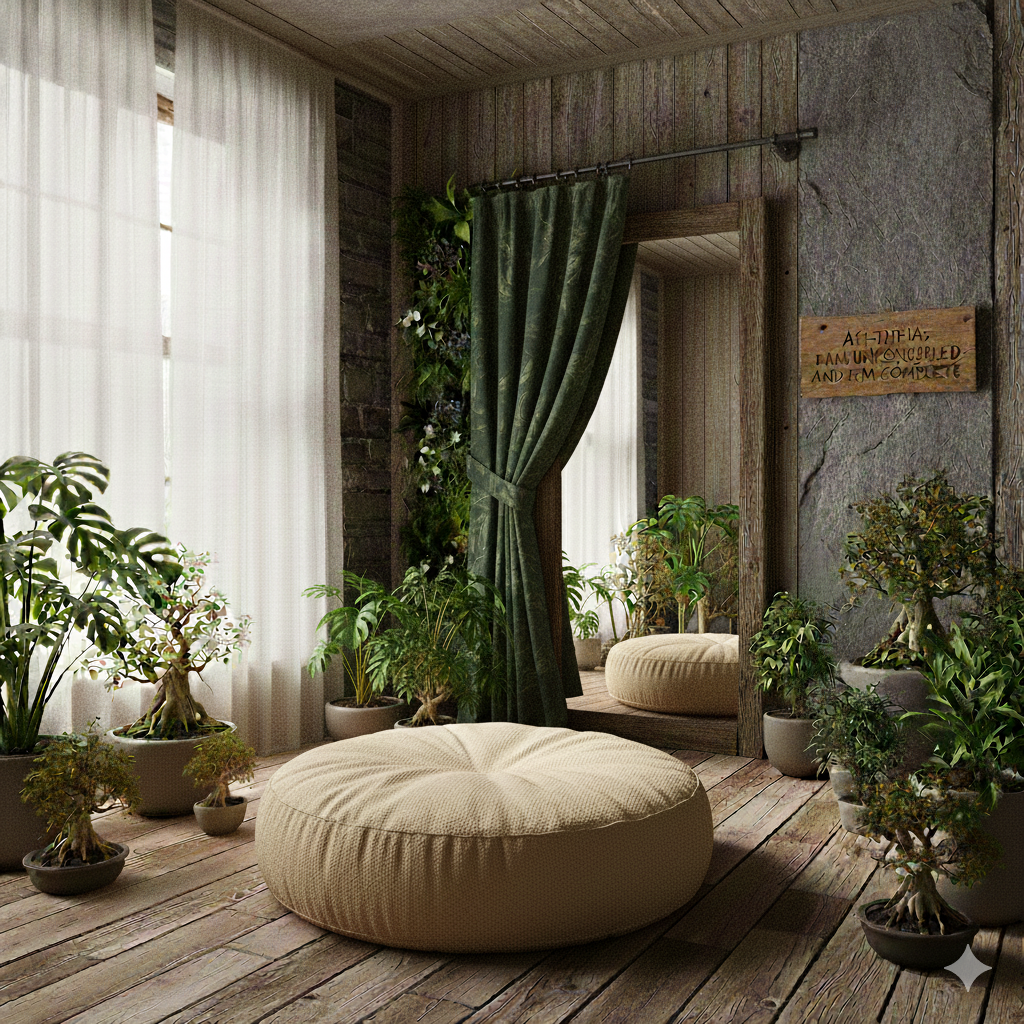
Indoor spaces also provide opportunities for connection to nature in a way that provides safe vulnerability. It is possible to create a simple aletheic space for a very low cost that provides both an immersion in a naturalistic environment with the security of being in one’s own home. It doesn’t even have to be a dedicated room. You can set up a corner in a larger room
The use of screening plants near doors or windows, sheer voile curtains over large windows and large houseplants create the aesthetics and textures. Adding natural scents and a nature-based soundscape from a smart speaker can help to create a holistic sensory experience and really bring a sense of the outdoors into the home.
The keys to safe vulnerability
Aletheia is the experience of revealing truth about ourselves and our environment through stripping away artifice and the unnecessary. It is about authenticity. Sometimes, however, we have to simulate an environment in order to experience the fleeting sense of vulnerability – the butterflies in the stomach – that can lead to a deeper understanding of ourselves.
In the environments where we live and work, this might require some forethought. Privacy might be an issue, or the risk of distractions from people or – more likely – our phones.
These can all be overcome, often with little cost attached. The key is understanding how to use places and time to their best effect.
Contact me for advice about your own space and how to create an aletheic environment?
Wellbeing stems from comfort, defined as feeling secure both physically and psychologically. Radical Comfort emphasizes a fundamental approach to design, prioritizing user needs over superficial aesthetics. It integrates physical, psychological, and environmental elements, aiming for spaces that foster true ease through biophilic elements and understanding human sensory experiences.
Note: This post explores the psychological and wellbeing benefits of naturism within biophilic environments. It contains illustrations depicting nudity and the human form.
Wellbeing is a direct result of comfort. When you are comfortable, you have greater satisfaction with your life (and work) and you are better able to achieve your goals. So, what is comfort? And, why radical comfort?
Comfort is about feeling at ease. It means that the physical environment is telling your senses that you are safe. It means reducing confused and contradictory inputs and it is very much about our psychological state.
Wellbeing is not just about design
Research on workplace wellbeing has consistently shown that the single biggest influence on wellbeing isn’t the design of the environment, but the culture of the organization. No amount of state-of-the-art biophilic design will cancel the effects of toxic management styles, lack of agency and extreme monitoring of every keystroke or toilet break.
The same applies in society. Authoritarian regimes seem quite keen to develop fabulous biophilic environments. Whilst I would never want to see those environments removed, they will never lead to true comfort when press freedom is restricted, political discussion is regarded as a threat to the state and human rights are abused. There is a whiff of ‘Bread and Circuses‘ about such installations.
So, what does ‘Radical Comfort’ mean?
The word ‘Radical’ is often thought of as being related to being revolutionary or promising major change, which it is. It also has an older meaning: of, belonging to, or from a root or roots; fundamental to or inherent in the natural processes of life.
Radical Comfort is a philosophy that seeks to satisfy human comfort at its root – at its fundamental, and unmediated level. It is the uncompromising pursuit of a state of physical, psychological, and environmental ease.
Radical Comfort moves beyond standard ideas of biophilic design by acknowledging that the most fundamental connection to nature and a sense of belonging in nature occurs when the individual is free from artifice, pretence and psychological barriers, which enable to them encounter their true selves.
Radical Comfort and design
Most design only achieves surface comfort, but Radical Comfort is a more holistic and evidence-based way of doing things. It could lead to spaces where the environment is perfectly tuned to the users’ needs. This evidence-based approach actually asks questions about what the user needs rather than simply assuming and imposing.
This approach to biophilic design is founded on the belief that human wellbeing is inseparable from our biological reality. It is a design language that honours the body as a natural component of the ecosystem, not an alien presence requiring separation and concealment.
Our search for aletheia (truth / unconcealment) drives the pursuit of Radical Comfort: the authentic truth of human wellbeing.
Physical Radical Comfort
This is design for the needs of the highly sensitive, unencumbered body. Specifically, thermal regulation, tactile sensation, acoustics and movement.
When our senses are free to work together, we are able to understand our environment with minimal mental effort. This reduces stress, frees up mental capacity and increases comfort. Our senses most effective at telling us the truth about our environment when they are unblocked and .
The touch points
By designing for the comfort of our largest sense organ, the skin, we need to reject materials that feel artificially cold, rough or sticky to bare skin. High quality, sustainably-sourced natural materials are worth investing in.
Textures make a big difference too. Wood, cork and moss not only offer greater visual interest, but the variety of different textures add to the tactile interest too.
Furniture should be designed without pressure points, harsh seams, or restrictive forms. The design should accommodate the fluid movement of the unburdened body.
We must also consider our feet
They are in near constant contact with the environment. When you think about it, our feet are remarkable parts of the body. We are naturally unstable structures – tall and top heavy – and by rights we should be constantly falling over. Our centre of gravity is about two thirds of the way up from the ground, yet our feet have a total area in contact with the ground of about only four hundred square centimetres (about two-thirds the area of a sheet of A4 paper). The nerve endings in our feet and the fine control of the muscles in our feet and legs work constantly to stop us crashing to the floor.
This means that we should allow our feet to experience the full properties of the surface. Fine changes to textures and warmth can be excellent, yet subtle, signposts to help us navigate a space more easily.
Invisible and untouchable elements: thermal and acoustic comfort
The unclad human form is highly sensitive to temperature fluctuation. A Radical Comfort space should allow, as far as is possible, as much individual control of heating, cooling and air flow. This is relatively easy in the home, but somewhat more difficult in an office or other commercial space. Having said that, some office furniture manufacturers have started to incorporate adjustable heating and cooling elements in desk tops that provide warmth around the wrists – an especially sensitive area that can help regulate body temperature.
I mentioned in a previous post about how getting into a state of flow can make the work day seem easier. Distractions can break that flow state, and it can take a long time to get back into it. One of the most frequent and annoying distractions is noise. Radical Comfort requires quiet (not necessarily silence) and the absence of distracting sound.
This can be achieved with a number of biophilic elements: plants and moss are good at absorbing and diffracting noise, and synthetic soundscapes that produce subtle non-rhythmic sounds, reminiscent of a breeze or waterfall, or even the lapping of waves on a stony beach have been demonstrated to be very effective at masking distracting noise.
Light and shadows
Radical Comfort takes into account our natural biorhythms and how we respond to light throughout the day. In our wild, ancestral state, humans evolved to respond to changes in light intensity and quality throughout the day. As the light changed, so various hormones were produced or supressed affecting our mood, alertness, appetite and sleeping patterns.
Fortunately, biodynamic lighting is available to replicate these natural patterns. In the home, smart lighting can be programmed to approximate the changes during the day, but in commercial buildings, really sophisticated systems can be deployed to great effect. Biodynamic lighting is even used in some aircraft to reduce the impacts of jet lag.
As well as the quality of light, we should think about how the light plays around a space – the shadows cast, the direction it comes from, glare produced and the interaction with paint colours. This requires careful consideration of wall finishes, ceiling heights, and reflective surfaces – even the use of mirrors to move light around a space to borrow views from the outside and bring them in.
We can even consider the Golden Hour effect in the context of an aletheic environment. The space could be designed to maximize soft, warm light during the hours of rest and relaxation. Low light levels can enhance relaxation and the feeling of wellbeing as well as reducing self-consciousness through shade and deeper shadows – a key step toward psychological Radical Comfort.
Psychological Radical Comfort
Comfort is not just physical, it is psychological as well. A good sensory environment is critical for our sense of safety, but we must also consider the mental environment as well.
In fact, good psychological comfort can outweigh the problems of a poor physical environment as long as there is a feeling of security and the ability to be one’s self without judgement or interference.
In design terms, a place of Radical Comfort is about creating a space where the user feels absolute security, privacy and agency. The user of the space decides who is let in, and under what conditions.
Such a space minimizes stress and the feeling of the need to perform, or to conceal, any aspect of the self.
This could mean the use of materials such as privacy glass in windows – allowing a view out, but restricting a view in – or the careful placement of screens and plants. These could be permeable to a degree to allow light and breezes in without ever fully exposing the private space.
On the other hand, places where complete trust and acceptance are found, such as in naturist venues, can be ideal spaces for being completely, authentically, uncovered without fear of judgement or objectification. The creation of new kinds of aletheic, naturist environments away from traditional settings is one that I am particularly interested in exploring.
The biophilic envelope
Radical Comfort seeks to guarantee a restorative environment by creating a seamless interaction with living systems (biophilia). This could mean designing interior and exterior spaces that are fully private and secure, creating a sense of being enveloped by nature. The space will allow for the safe experience of the liberated state, and is the key to turning a garden or room into an aletheic environment rather than just a pretty space.
Plants, water features, and textures are not merely decorative but should be used to deliver an optimized, positive sensory input. This could include using plants with pleasant scents (which is easier in a garden than indoors) and tactile qualities that invite one to touch and feel the foliage.
Plant displays can also be used to optimize the acoustic environment too. Research carried out as long ago as the 1990s showed how plants and plant displays could absorb, diffuse and refract sound. Indoors, they can be placed to reduce echoes. Outdoors, trees are especially good at absorbing noises.
Biophilic elements can be actively used to improve air quality and humidity to a therapeutic level, even exceeding standards such as the WELL building standard. Green walls, and especially the new generation of active air green wall systems, are very good at improving indoor air quality by reducing pollutants and improving humidity – something that would be especially beneficial to uncovered skin. When used well, the synergy of function and biophilic beauty can have a significant benefit.
My background in plant science and horticulture, as well as my long experience of biophilic design, allows me to focus on the use of greenery and other aspects of interior landscaping to maximize Radical Comfort. If you would like to learn more or would like some advice on a project, then please get in touch.